
Knots & Lines
The Rolling Hitch and the Art of Friction
Per Lindgren teaches the rolling hitch to a class of four amateur sailors in Karlskrona and watches three of them fail it in the same way.
Section
The bowline as a household tool, the right rope for the right job, splicing braided line, the marlinspike seamanship of the everyday boater.
Knots & Lines
Per Lindgren teaches the rolling hitch to a class of four amateur sailors in Karlskrona and watches three of them fail it in the same way.
Knots & Lines
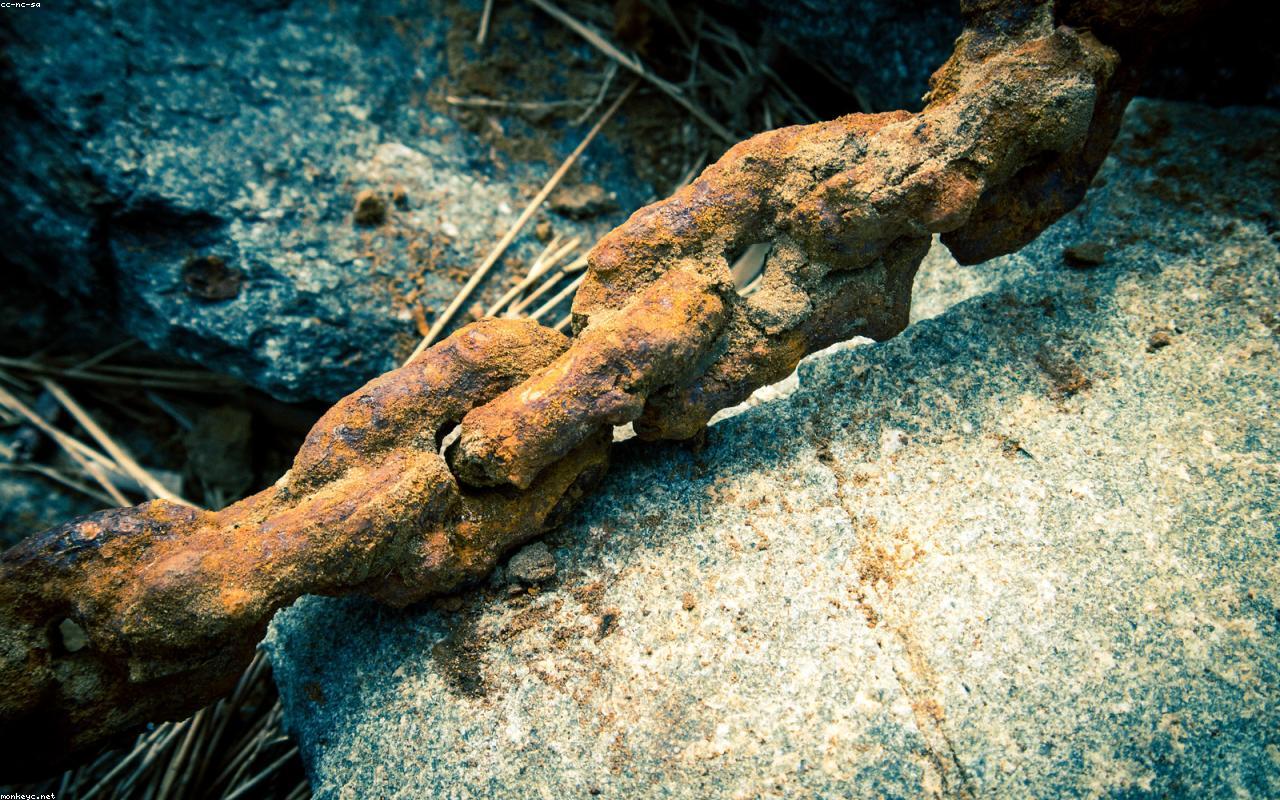
Reidar Vik examines the anchor system on a thirty-two-foot Hallberg-Rassy in a Norwegian fjord and finds, as he often does, that the snubber is the part most neglected.
Knots & Lines
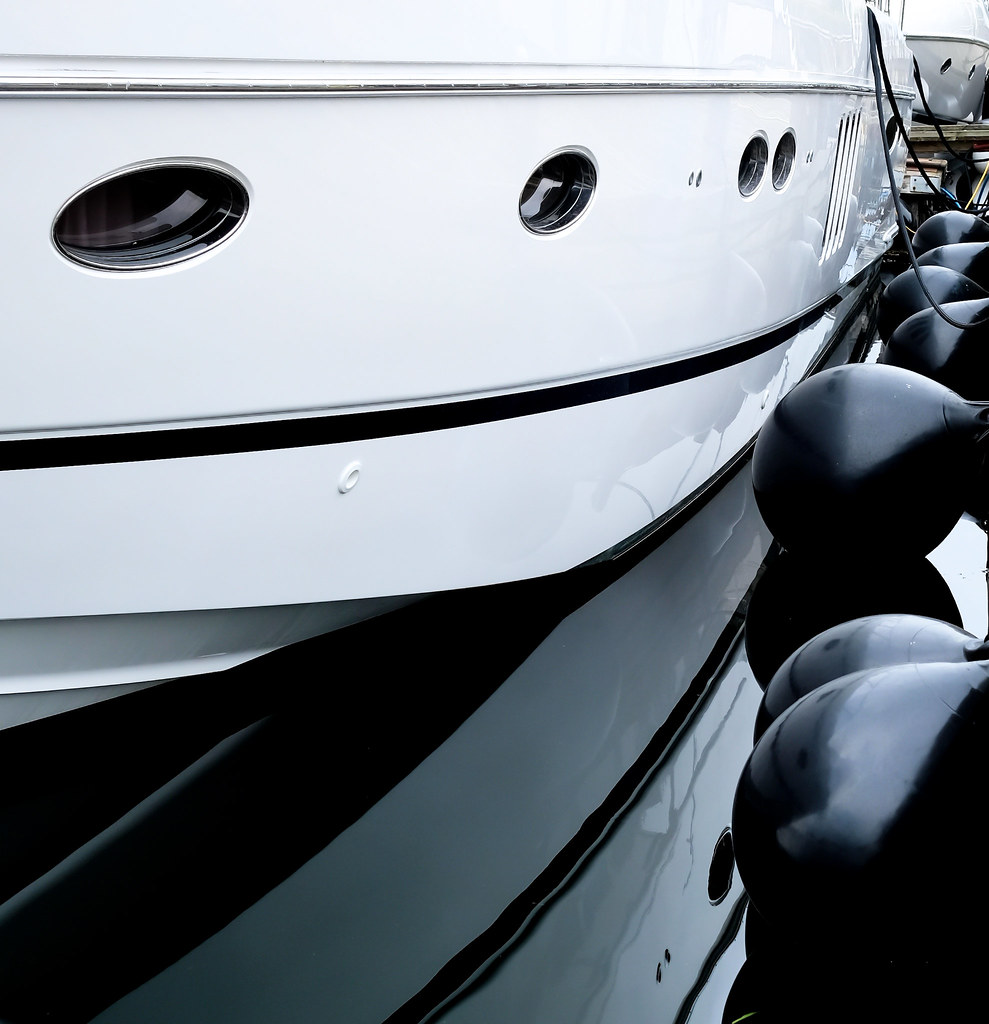
Niamh O'Halloran walks a Galway marina in late spring and counts forty-three fenders hanging from boats. Twelve of them are tied to fail.
Knots & Lines
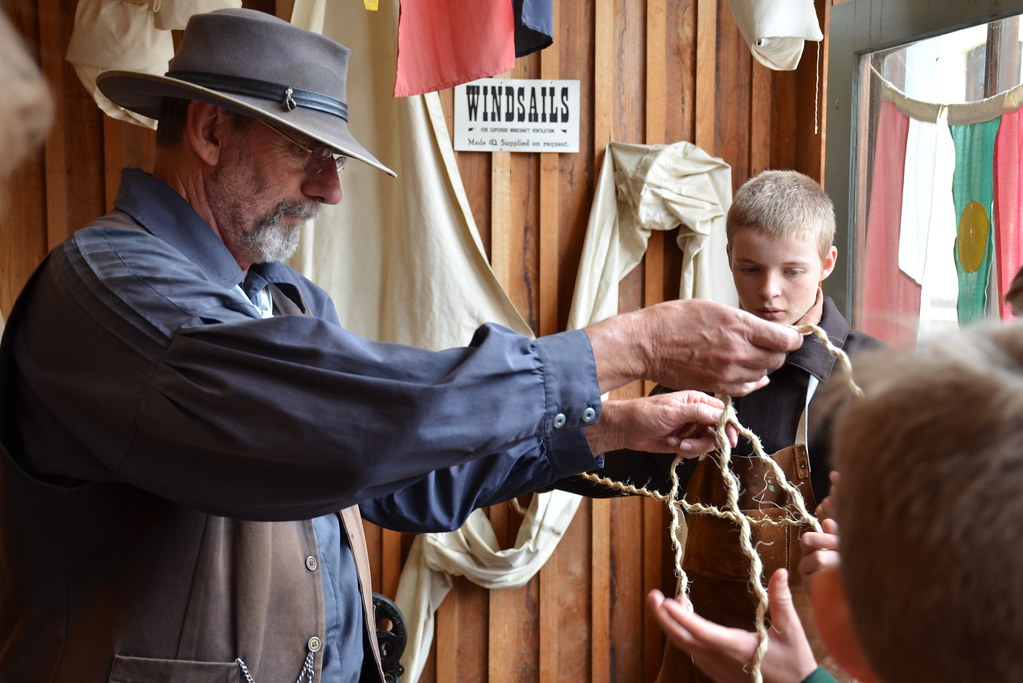
Lavinia Sinclair examines a sailmaker's whipping put on by a Lunenburg rigger in 1994. The rope around it has been replaced twice. The whipping is still good.
Knots & Lines
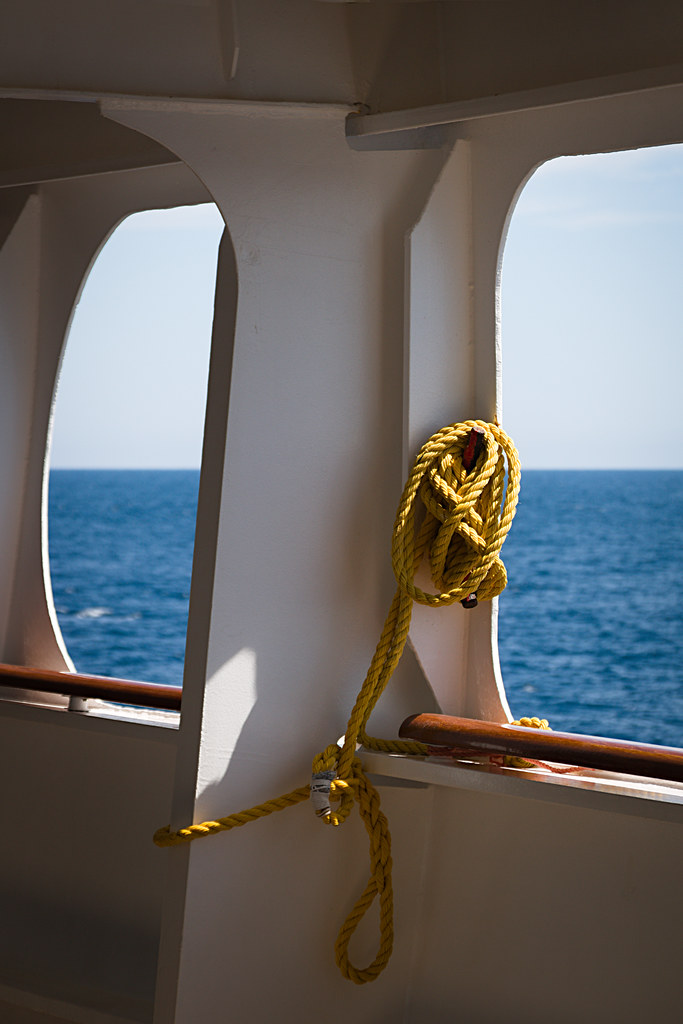
Mira Iyer spent a weekend with a small-craft instructor in Cochin Harbour learning the trade-name skills that working sailors call simply ropework.
Knots & Lines
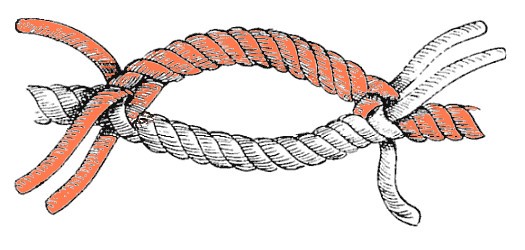
Niamh O'Halloran sits in a Dingle workshop at a bench her uncle built in 1981 and works a Brummel splice into a five-millimetre Dyneema line. It takes her twenty-two minutes.
Knots & Lines
Reidar Vik walks the length of a chandler's shop on Strandkaien in Bergen and counts seventeen distinct rope types on the shelves. Most boaters, he says, need three.
Knots & Lines
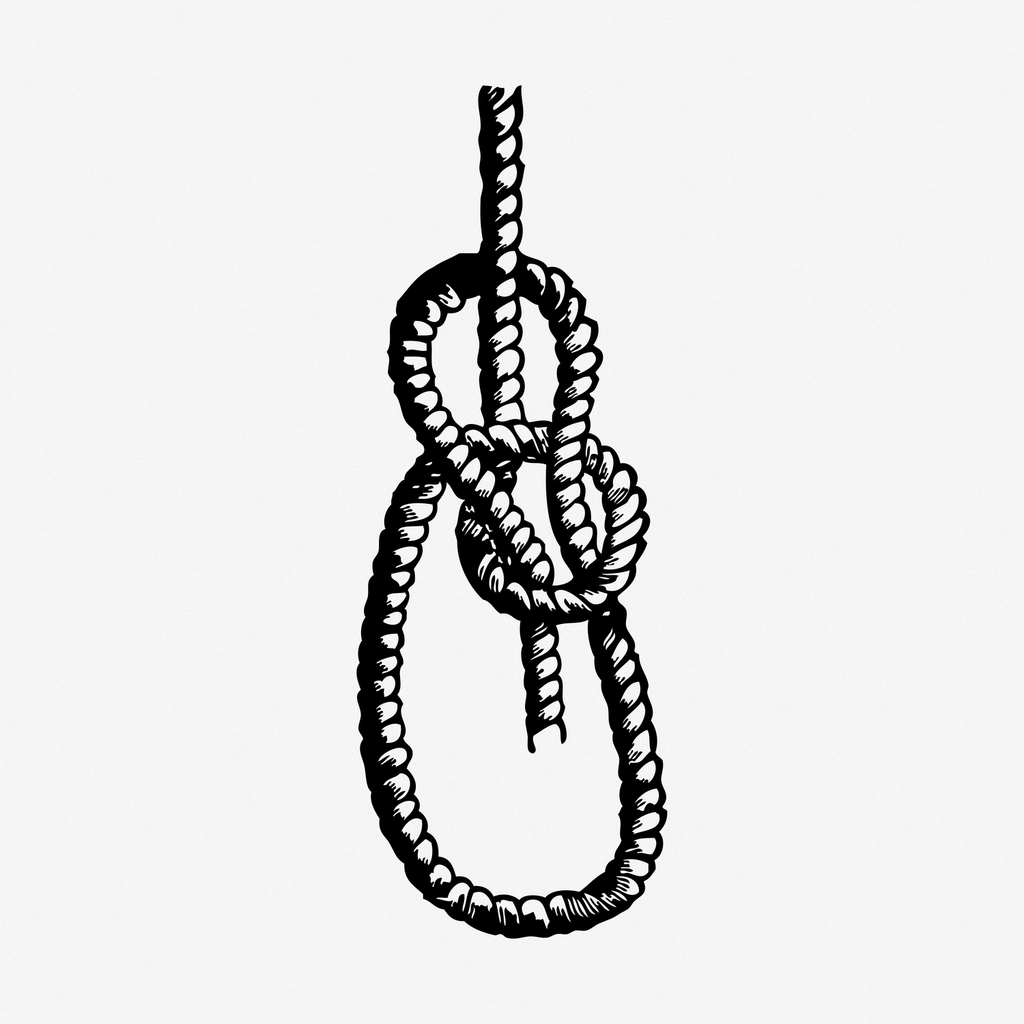
Per Lindgren keeps a length of nine-millimetre polyester in the drawer beside the bread knife. The knot he ties most often is not at sea.