
Shipping
The Baltic Feeder Trade in Winter
Between Hamburg and the Gulf of Finland, the small feeder ships work an ice-laden trade that the big container lines depend on and the maritime press rarely covers.
Section
A day at the Norfolk container terminal, an Atlantic crossing on a Maersk box ship, shore-leave economies.
Shipping
Between Hamburg and the Gulf of Finland, the small feeder ships work an ice-laden trade that the big container lines depend on and the maritime press rarely covers.
Shipping
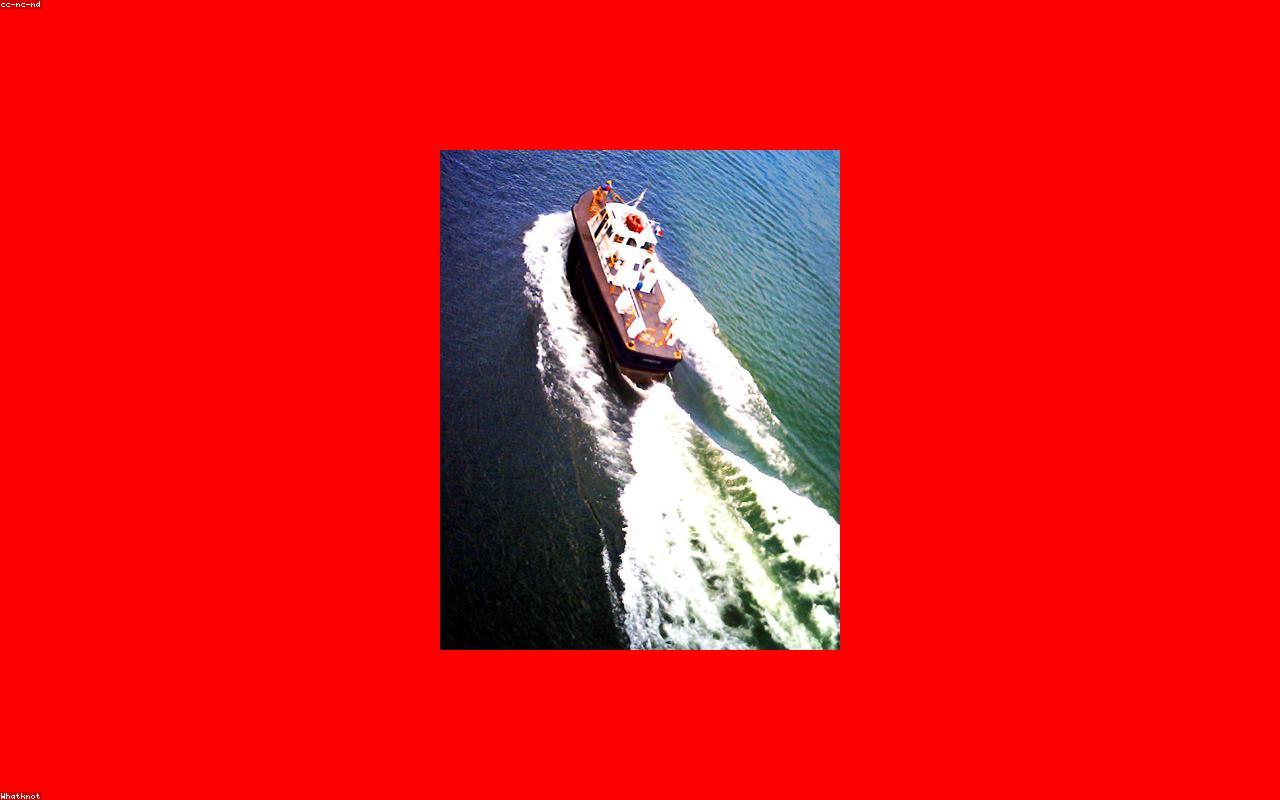
Three years after the Ever Given, the Suez Canal Authority has rebuilt its pilotage system, expanded the southern bypass, and added a layer of caution that the masters notice in the slowness.
Shipping
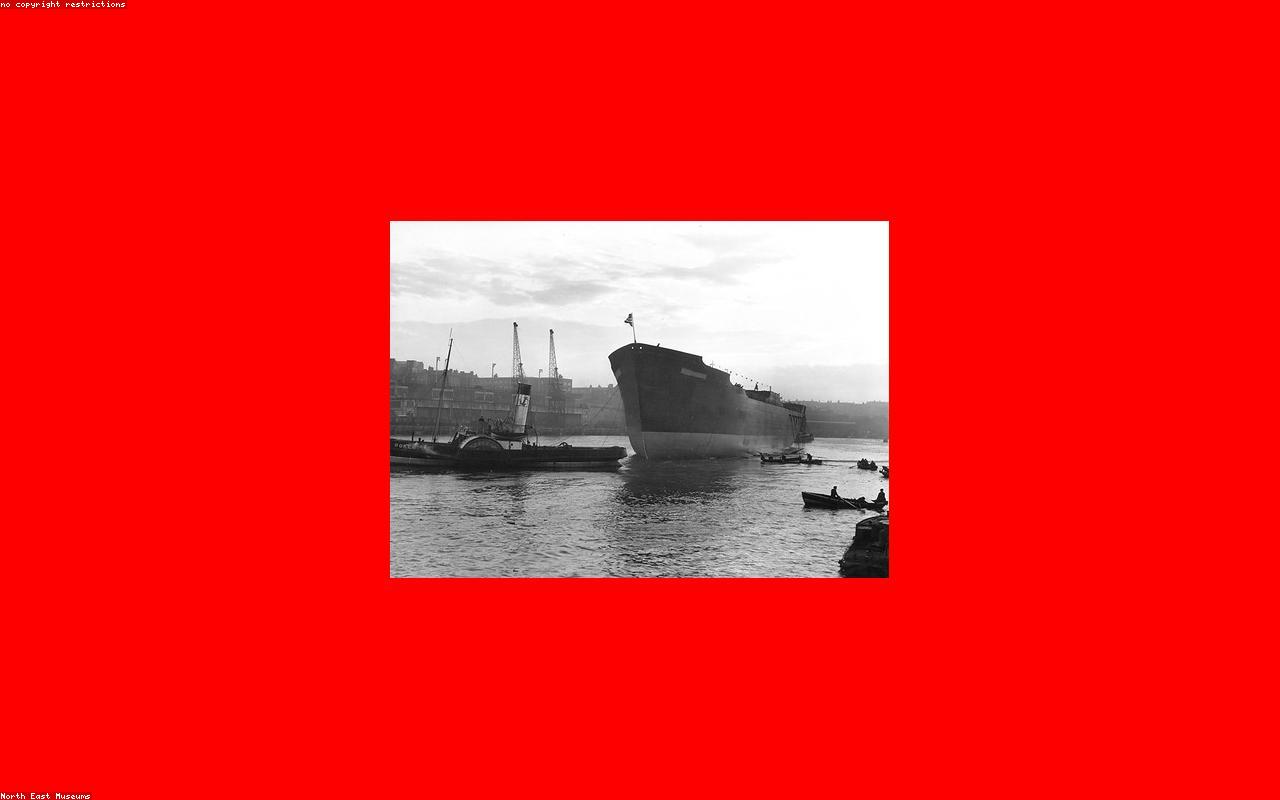
On the Delaware River, where the Jones Act fleet has shrunk to fewer than ninety hulls, the crew of the Overseas Boston works a trade that nobody is replacing.
Shipping
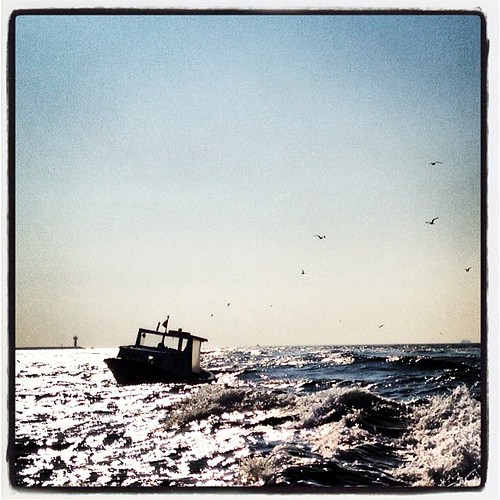
On a strait that handles forty-three thousand vessels a year, the Turkish pilots board in any weather and steer ships that often do not speak their language.
Shipping
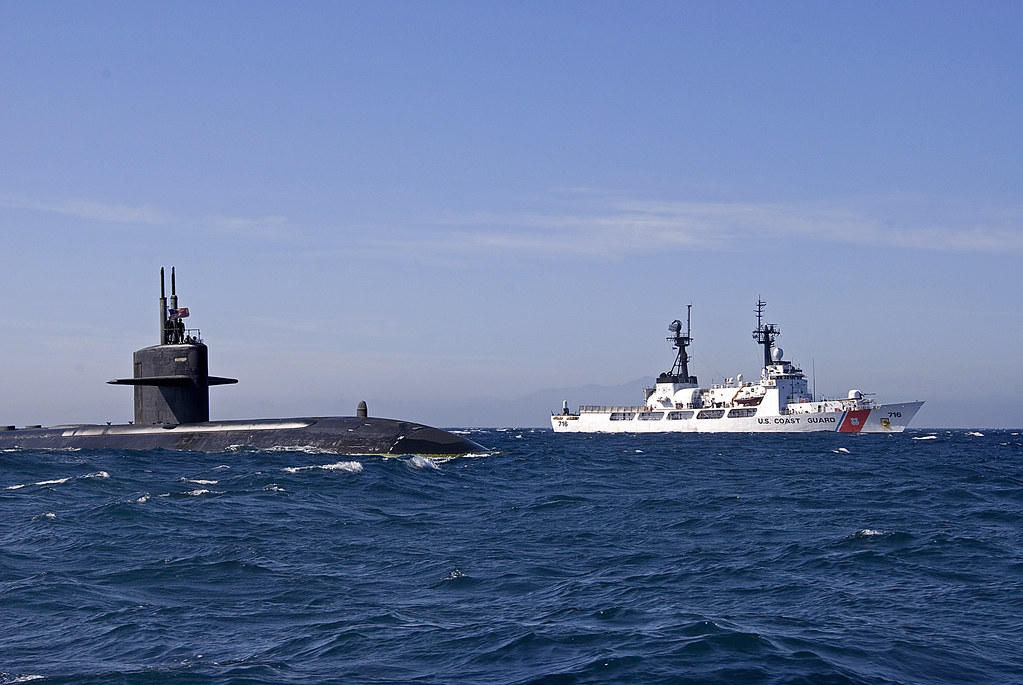
At anchor in the bay of Algeciras, the fuel barges work day and night to refuel ships that never enter port — and the Rock watches a trade worth roughly six million tonnes a year.
Shipping
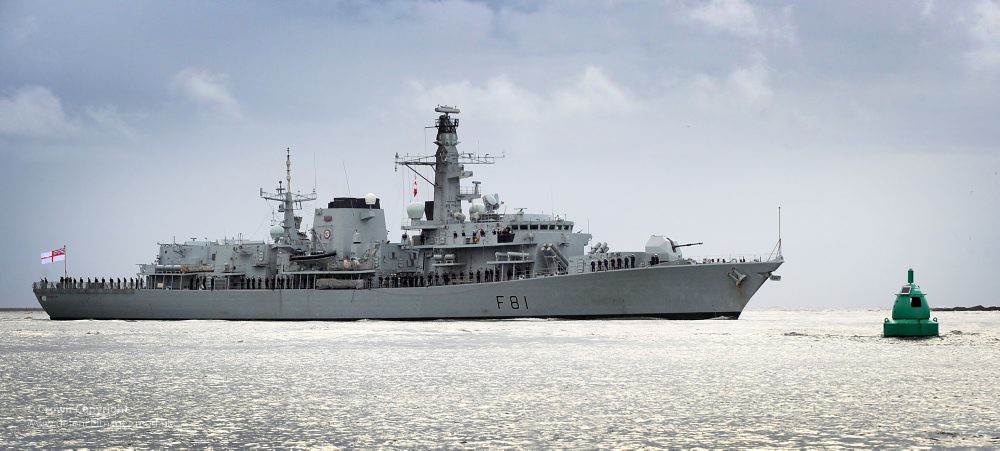
At Salalah in Oman, a port where one in three calls produces no shore leave at all, the ship chandlers and SIM-card sellers have learned to bring the town to the gangway.
Shipping
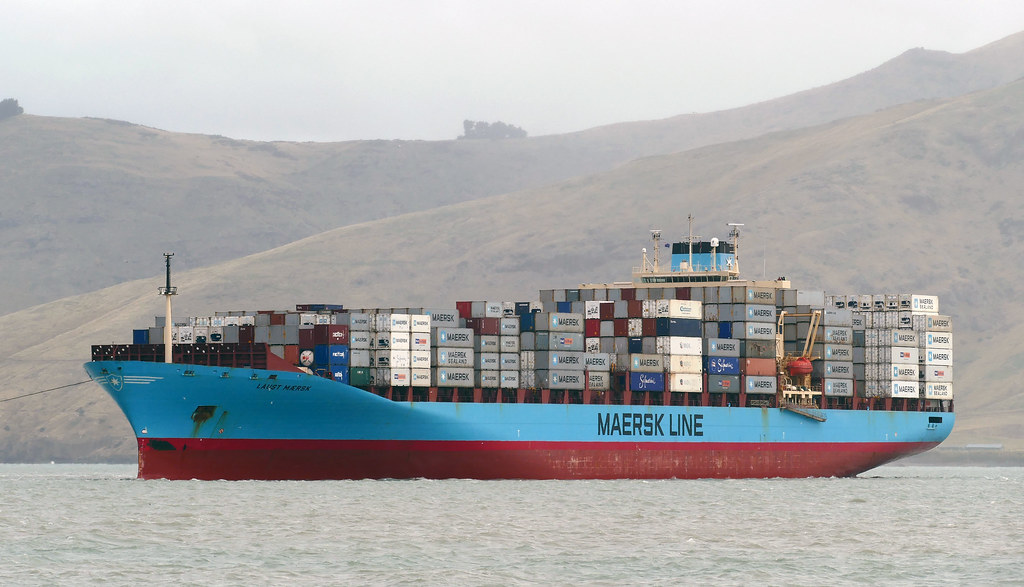
An Atlantic crossing on the Maersk Sembawang, from Algeciras to Newark, where the work is steady, the meals are punctual, and the bridge is mostly quiet.
Shipping
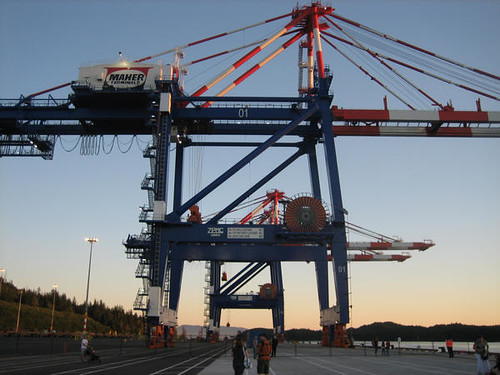
Twelve hours on the apron at NIT, where the cranes work to a script written in Singapore and the longshoremen read the wind off the Chesapeake.