On any given afternoon in the Bay of Algeciras, between forty and seventy commercial vessels lie at anchor in the lee of the Rock of Gibraltar, waiting for fuel.
The bay is one of the three largest bunkering hubs in the world, alongside Singapore and Fujairah. Last year it pumped roughly six million tonnes of marine fuel into ships that never docked at either of the two ports that ring the anchorage.
The Spanish port of Algeciras handles about seventy percent of the trade. Gibraltar, the British overseas territory on the eastern side of the bay, handles the rest. The customers are largely the same ships, and the difference between the two flags is mostly a matter of price, paperwork, and the preferences of the master.
Bunkering at anchor is performed by barges, which come alongside the ship, tie up, run a hose, and pump. The work is slow. A typical container ship takes between fourteen and twenty hours to receive a full bunker of about three thousand tonnes of fuel.
The barges are operated by a small number of companies. Cepsa and Repsol dominate the Spanish side. Vemoil and Peninsula 5 are the principal operators on the Gibraltar side. The barge crews are typically Spanish, Moroccan, or Filipino. The work is union on the Spanish side and not on the Gibraltar side.
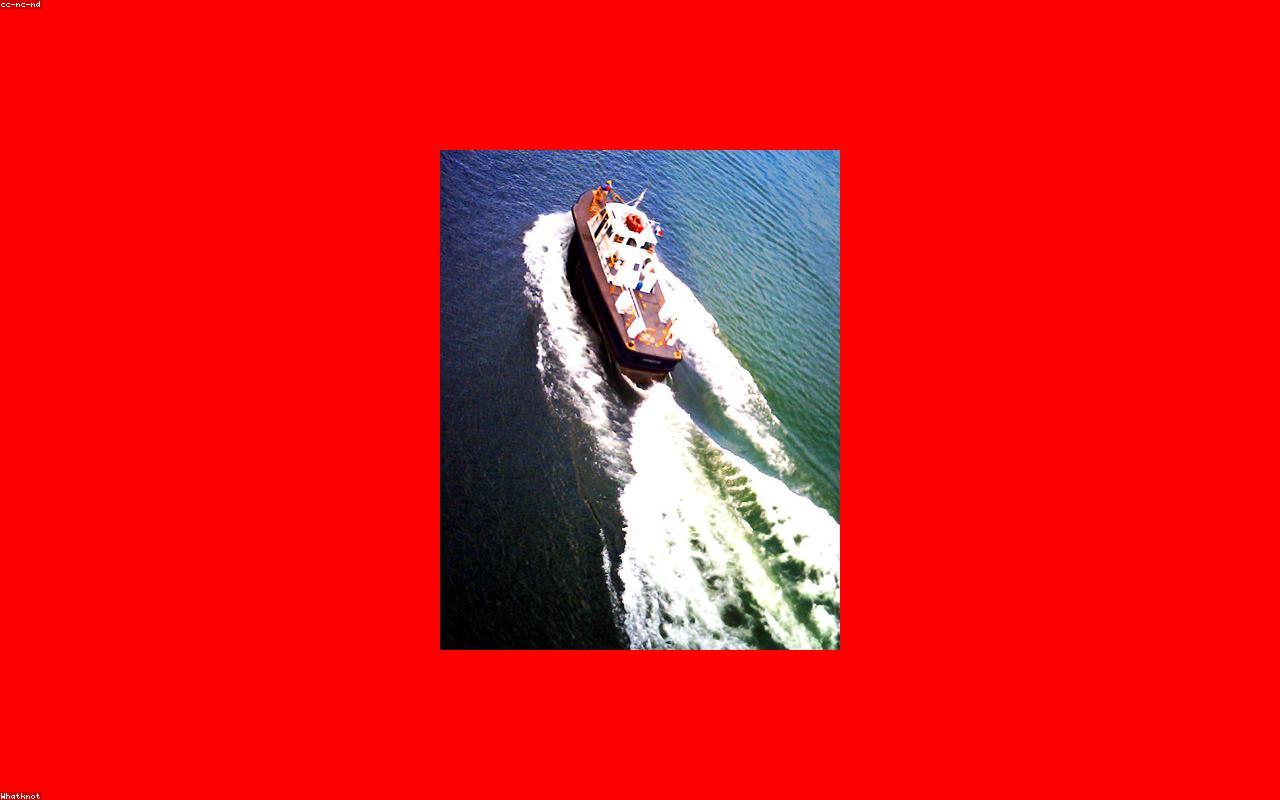
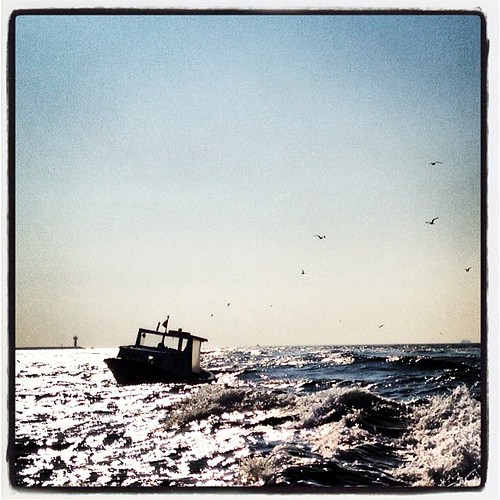
Captain Esteban Roldán has commanded a Cepsa bunker barge, the Mar de Tarifa, since 2019. The barge is sixty-seven metres long, holds about four thousand tonnes of very low sulphur fuel oil, and rarely leaves the bay.
He has worked the bay since 1998. He grew up in La Línea, the Spanish town that sits against the border with Gibraltar, and his father had worked on tugs for the port of Algeciras through the 1970s and 1980s.
The bunkering trade transformed in 2020 with the introduction of the global sulphur cap, which restricted the sulphur content of marine fuel to half a percent except for ships fitted with scrubbers.
Before 2020 most vessels burned heavy fuel oil with three and a half percent sulphur. After 2020 they burned VLSFO, which is more expensive, more variable in quality, and somewhat more sensitive to contamination.
Captain Roldán keeps a logbook of fuel deliveries on the Mar de Tarifa that runs to four columns: ship, tonnes, sulphur certificate, and a note on the receiving ship's chief engineer's mood at the end of the transfer.
The mood column, he says, is not a joke. Bunker disputes are common. A chief engineer who suspects the fuel he is receiving is contaminated or off-spec will refuse the bunker, and the resulting investigation can keep a ship at anchor for an additional thirty-six hours.
The Mar de Tarifa carries a fuel sampling system that draws a continuous line sample throughout the transfer. The sample is sealed in four bottles, one for the barge, one for the ship, one for the supplier's office, and one for the laboratory in Algeciras that runs the certification.
The lab, Inspectorate Spain, processes about a hundred and forty samples a week from the bay. The chief technician, a chemist named Pilar Embid who has been there since 2011, says contamination is rare but quality variance is constant.
The fuel comes from refineries in five different countries. The blend that a ship receives in the bay may have been refined in Cartagena, Rotterdam, or Sines. The base stocks are different and the additives are different and the chief engineer of a container ship that runs the route four times a year will have noticed.
On a Wednesday in late April the Mar de Tarifa worked alongside the Hapag-Lloyd Quito, a fourteen-thousand-TEU container ship inbound from Singapore. The transfer began at 09:40 and was scheduled for sixteen hours.
Roldán stood on the bridge wing for the first hour, watching his chief mate work the manifolds. The wind was light from the southwest. The bay was uncharacteristically calm.
He spoke about the future of the trade. The International Maritime Organization had agreed in late 2025 to a more aggressive emissions framework that would require many vessels to begin transitioning to LNG, methanol, or ammonia by 2030.
Algeciras and Gibraltar were positioning themselves for the change. Cepsa had begun construction on a methanol bunkering facility in early 2026. Peninsula had taken delivery of an LNG bunker barge in 2024 that worked the bay alongside the conventional VLSFO barges.
Roldán thought the transition would be slower than the regulators wanted and faster than the operators were ready for. He would, he said, retire before the trade was unrecognisable.
The Mar de Tarifa finished her transfer to the Quito at 02:18 on Thursday morning. The hoses were disconnected, the samples were sealed, and the chief engineer of the Quito signed the bunker delivery note without a remark in the mood column.
The barge cast off and motored slowly across the bay to her next assignment, an empty Suezmax tanker that needed six hundred tonnes to make the run to Lavera. The lights of Gibraltar burned on the eastern shore. La Línea was quiet.