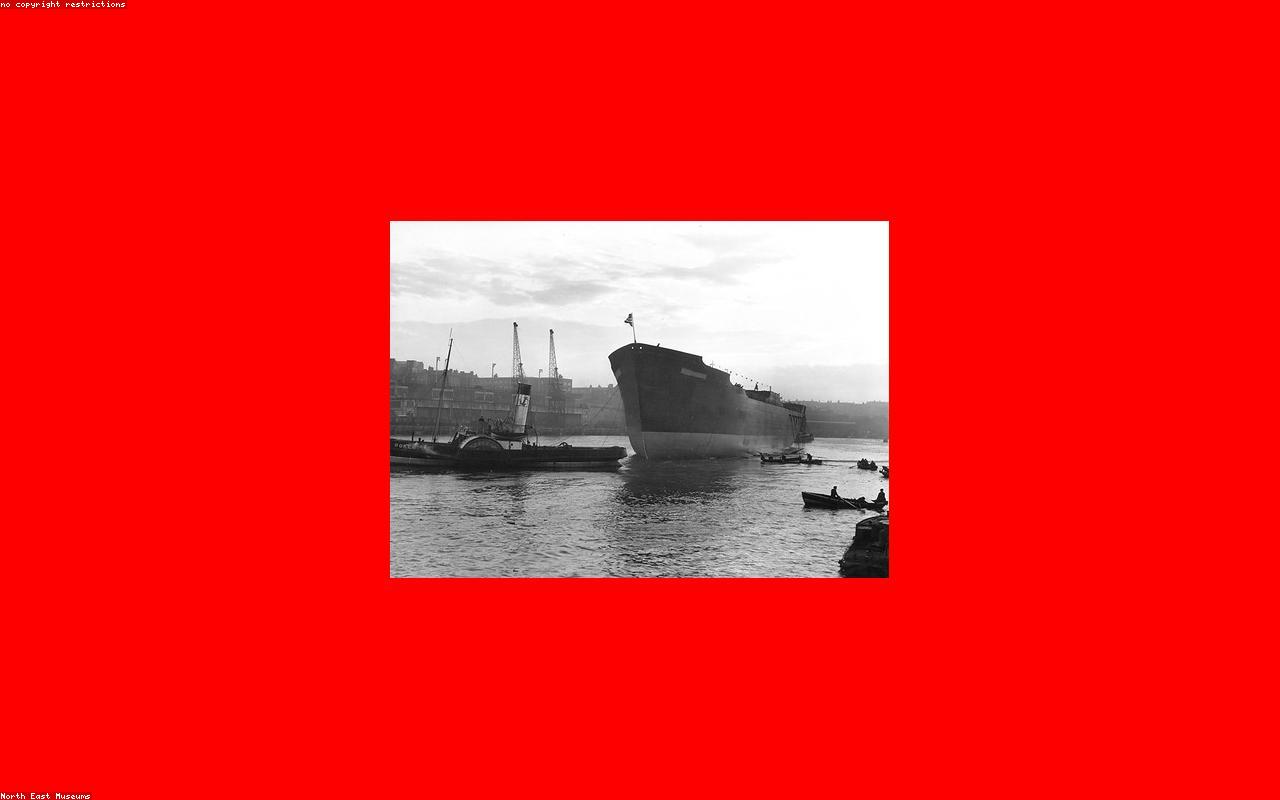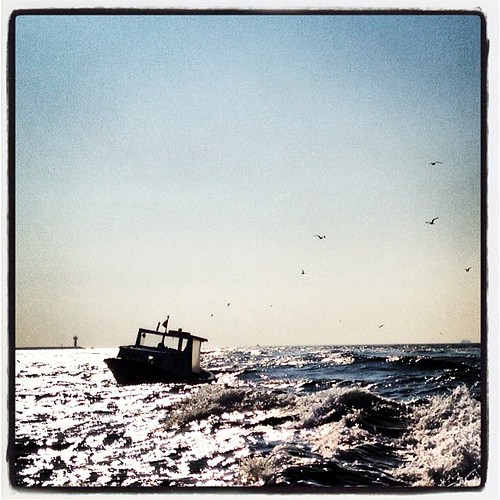
The Bosphorus is thirty-one kilometres long, eight hundred metres across at its narrowest point, and bent through four sharp turns where the current and the ferry traffic conspire against ships that have come a long way to find them.
On a typical day forty to fifty merchant vessels make the transit. About a third of them take a Turkish pilot. The rest, principally tankers and ships carrying dangerous cargo, are required by Turkish regulation to do so.
The pilot station sits at Türkeli on the European shore at the northern entrance to the strait and at Fenerbahçe on the Asian shore at the southern entrance. Pilots board outbound at the southern station and inbound at the northern.
Captain Mehmet Bilgehan is one of about a hundred and fifty pilots licensed to work the Bosphorus and the connected Sea of Marmara and Dardanelles. He has been on the strait for twenty-eight years and now serves as the senior pilot at the Türkeli station.
He has steered ships of every class that uses the strait, from car carriers to LNG tankers to grain bulkers loaded out of the Ukrainian Black Sea ports, when those ports were operating.
The Russian invasion of Ukraine in 2022 transformed the traffic on the strait. Tankers carrying Russian crude in shadow-fleet operations now make up a significant fraction of the southbound traffic, and the Turkish authorities require all of them to take a pilot.
Bilgehan does not discuss the shadow fleet at length. He says only that the work has become more complicated since 2022 and that the pilots have been instructed to be especially careful with the documentation of every transit.
The Bosphorus has had three serious collisions since 2020 and a number of smaller incidents. The currents in the strait reach four knots in places and can rise to seven during the winter when the Black Sea is full and the surface flow is strong.
The lower current, which runs in the opposite direction at depth, is a separate problem and one that pilots learn to read by the appearance of the surface water at the strait's pinch points.
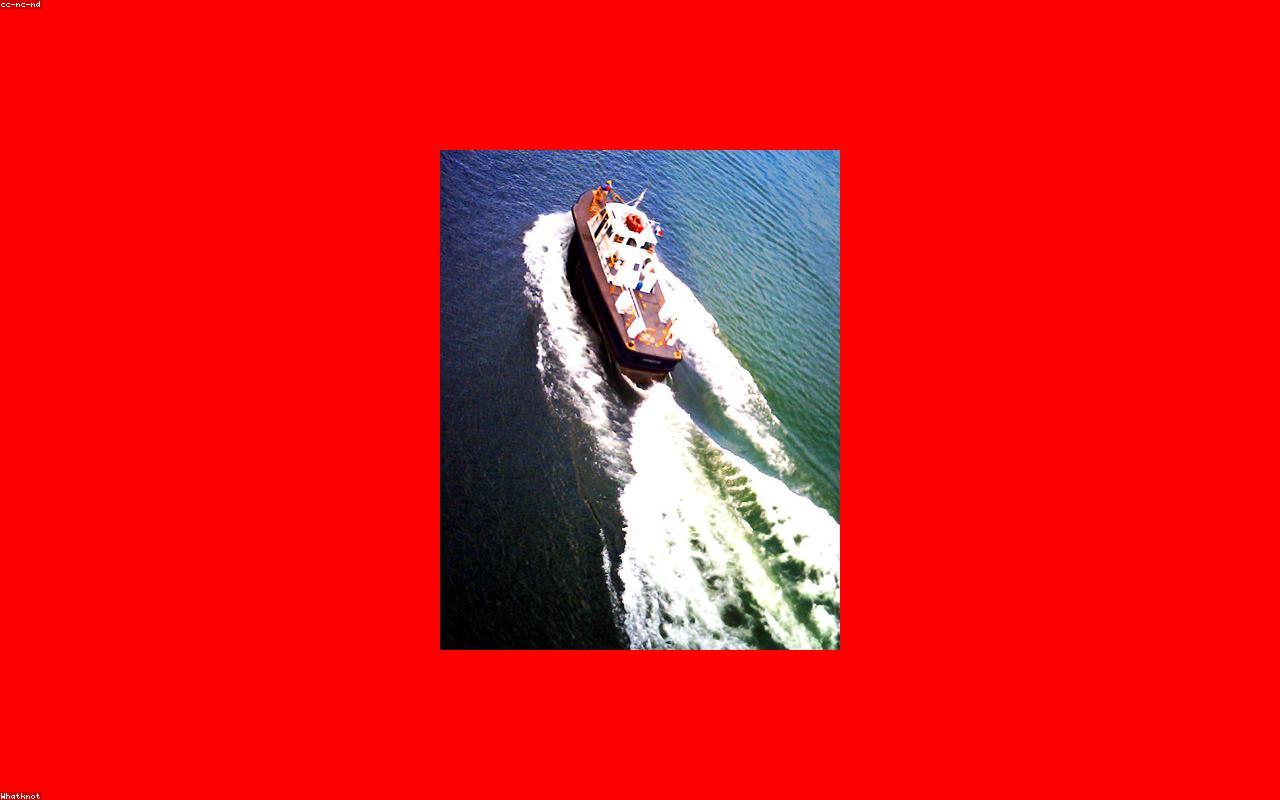
On a Tuesday morning in early May Bilgehan boarded the Sovcomflot Suvorov, a Suezmax tanker outbound from Novorossiysk and bound for an undisclosed Mediterranean port. The pilot boat, a forty-foot launch with a high steel ramming bow, came alongside at twelve knots and Bilgehan stepped from her foredeck onto the boarding ladder of the tanker.
He climbed the ten-metre ladder in a quartering swell with the practised speed of a man who has done it three thousand times. He carried a small leather case containing a portable AIS unit, a handheld VHF, a sandwich, and a thermos of tea.
On the bridge of the Suvorov he greeted the master, a Russian named Captain Borodin who spoke kitchen English, and the second mate, who served as translator. He set up his portable equipment, took the conn, and began the four-hour transit.
The Bosphorus pilotage is conducted in English. Most of the masters Bilgehan works with speak English well enough to receive a helm order. A few do not, and a translator is used.
The orders are given to the helmsman directly. Bilgehan gives them in English. The translator, if needed, repeats them in the helmsman's language. The master listens but rarely intervenes.
The transit took the Suvorov past the Beykoz turn at 11:42, the Yeniköy bend at 12:10, the under-bridge approach to the Bosphorus Bridge at 12:34, and the Karaköy passage at 13:05. The current was moderate and the wind was light from the north.
Bilgehan disembarked at the southern pilot station at 13:42. The pilot boat came alongside the tanker, he climbed down the ladder against the swell, and the launch carried him back to the Fenerbahçe office.
He had four hours before his next assignment. He went to the cafeteria on the second floor of the pilot station and had a meal of lentil soup and grilled fish with the dispatcher.
The dispatcher's name was Aysun Demirci and she had been at the station since 2013. She kept track of every pilot's position and rest hours through a screen on her desk that showed the strait in a long unrolling map.
Turkish regulation limits a pilot to twelve hours on duty in any twenty-four-hour period. Bilgehan had eight remaining. Demirci told him she would put him on a southbound LNG tanker at 18:30.
He nodded, finished his fish, and went to a small room with a cot at the back of the station to sleep for two hours.
The traffic on the strait does not stop. The pilots, working in pairs and trios across the long shift rotations, board and disembark in any weather under forty knots, and the Bosphorus moves more or less as it has for a hundred years, by ships that have travelled far to find a particular shape of water.