Galway Harbour, in the inner basin behind the lock gates, holds about sixty private vessels through the summer. Niamh O'Halloran walked the floating pontoons one Thursday in mid-May, beginning at slip A1 and ending at slip C24.
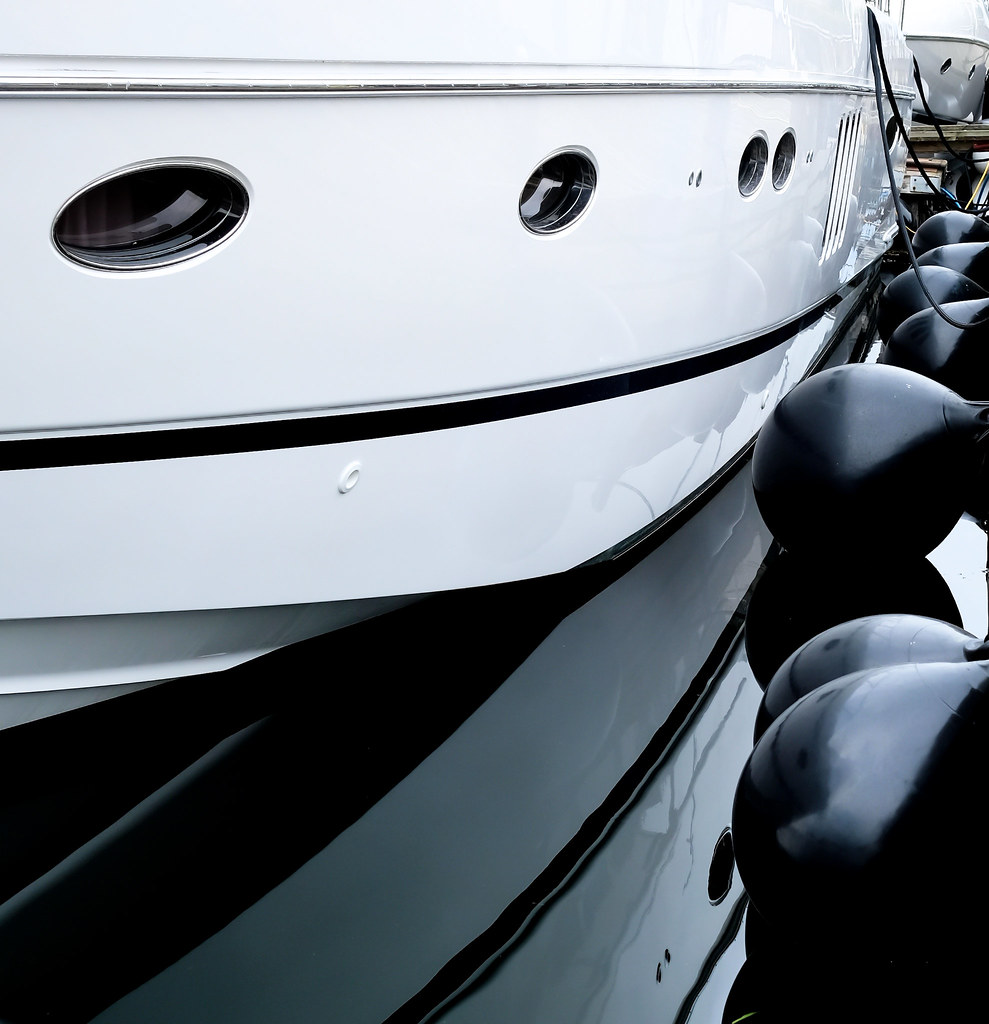
She counted fenders. The boats she examined were all in the eight-to-twelve-metre range, fibreglass sloops mostly, a few small motor cruisers, two wooden Galway hookers kept by enthusiasts.
The total: forty-three fenders deployed on twenty-eight boats. Some boats had none, a fact she noted but did not investigate.
Of the forty-three, by her count, twelve were attached by knots that would not survive a working summer. The most common error was a slipped half-hitch around a stanchion base, finished with a single tuck. The knot looks neat. It comes off in any wind.
Five fenders were attached with what she identified as a tautline hitch, which is a sliding knot intended for tent guylines, not boat hardware. It holds under steady tension but slips when shock-loaded.
Three were attached with what she described in her notebook simply as overhand knots, which is to say not knots at all in any seamanlike sense. These would have fallen off in the first significant wake.
The remaining twenty-three were properly attached. The most common correct attachment was a clove hitch backed up with two half-hitches, executed around the lifelines or stanchions. A few used a round turn with two half-hitches, which is functionally equivalent and slightly easier to release under load.
Two of the wooden boats used a more elaborate setup. The fender was attached to its own permanent lanyard, finished with an eye splice, and the lanyard was tied to a deck cleat with a cleat hitch rather than to the lifeline at all.
This is the older method. It survives among owners who learned to sail before the production-yacht era made lifelines universal.
The clove hitch is a workhorse but it is not a permanent attachment. It loosens under cyclic motion. A fender tied with an unbacked clove hitch on a stanchion will, over a few days of wind and wave, work itself slack and eventually free.
The traditional fix is to follow the clove hitch with two half-hitches around the standing part. The half-hitches lock the clove hitch in place. The fender stays where it was tied.
An even more secure attachment uses a round turn around the stanchion before the half-hitches. The round turn distributes the load and prevents the rope from cutting into a soft-coated stanchion under heavy lateral force.
O'Halloran asked the marina manager, a woman named Aoife Fitzgerald who has run the basin since 2014, how often she dealt with lost fenders. About a dozen each season, Fitzgerald said. Some are reported. Most are not.
Lost fenders, in Galway as in most marinas, end up in the harbour, where they drift with the tide, become fouled in propellers, or wash up on the rocks below the Spanish Arch.
The harbour staff fish them out occasionally and stack them in a corner of the chandlery for collection. Most are never claimed.
The cost of a single quality fender, in May 2026, ran between eighteen and ninety euros depending on size. The cost of a metre of suitable line for attaching it ran less than two euros.
The disproportion is significant. Owners spend on the fender and skimp on the lanyard, then lose both.
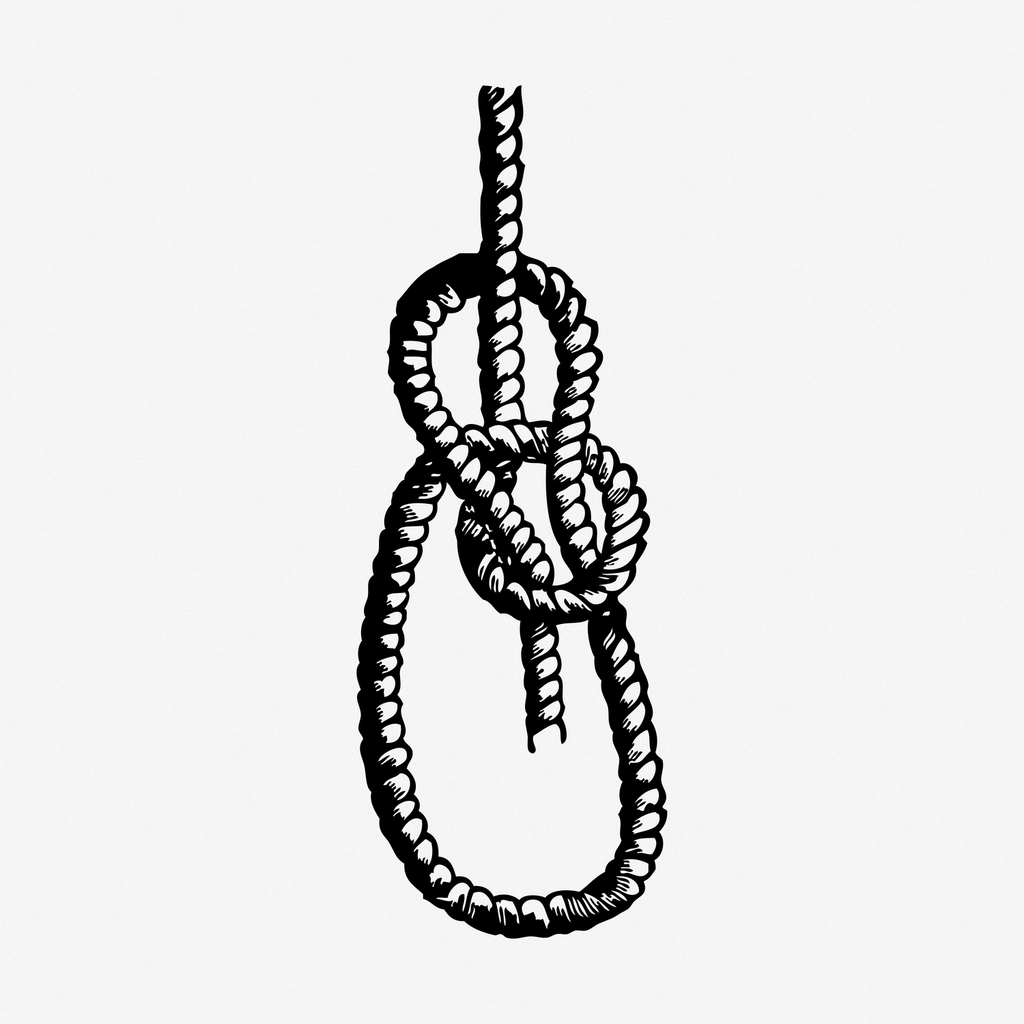
O'Halloran recommends, in her column, that any boat with deployed fenders should use dedicated lanyards of three- or four-millimetre braided polyester, attached to the fender with a permanent eye splice or a bowline, and tied to the boat with a round turn and two half-hitches.
The lanyards should be replaced every three to four seasons, before the UV damage becomes visible, since UV damage in thin braid is often invisible until the line parts.
She also recommends that owners who berth in the same slip all season should consider a permanent rope-fender installation, in which the fenders hang from a continuous loop of nine-millimetre line strung along the gunwale and attached at the bow and stern cleats with bowlines.
The whole assembly can be deployed in one motion when the boat returns to its slip and stowed in one motion when it leaves.
She has used this system on her own boat, a small Cornish Crabber kept at Dingle Marina, for nine years. She has not lost a fender in that time. The line, she noted with mild pride, is the same one she installed in 2017.