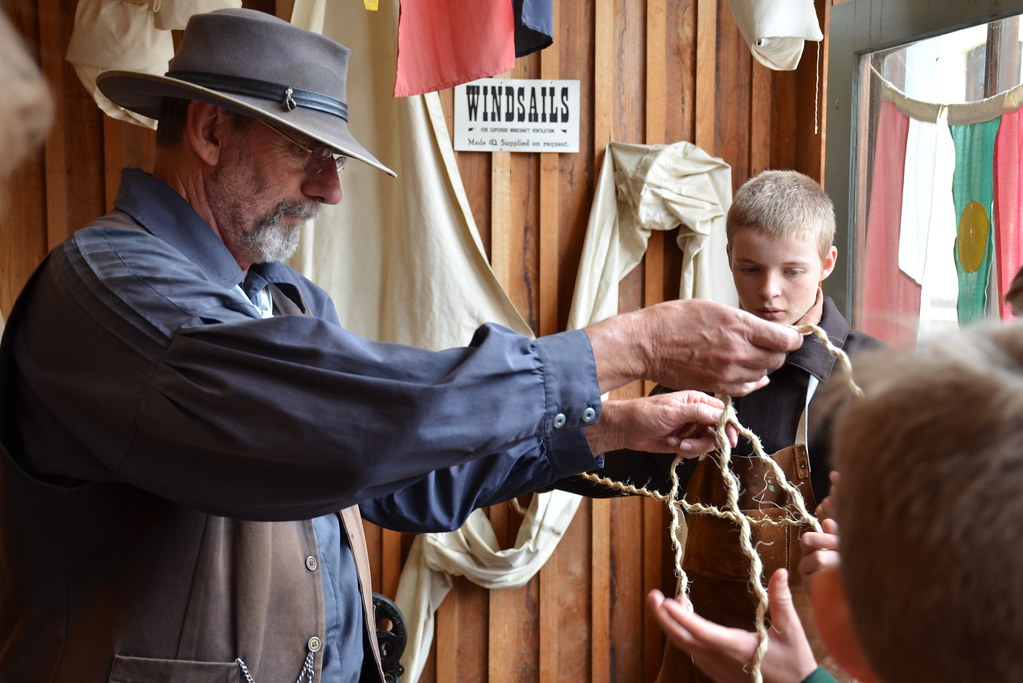
The pier at Bolgatty, in the inner reaches of Cochin Harbour in Kerala, is busy on a Saturday morning. A small boatyard called Vythiri Marine occupies a corrugated-iron shed near the southern end, and its owner, Babu Krishnan, is the only person in the city who teaches what he calls the old ropework.
Mira Iyer arrived at seven-thirty with a notebook, a bag of dried mango, and no useful knowledge of marlinspike seamanship beyond the bowline.
Krishnan, who served in the Indian Navy from 1982 to 2005 and now repairs wooden country boats for a living, looked at her notebook with mild suspicion. He keeps no notebook himself. He prefers, he said, hands.
Marlinspike seamanship is a phrase borrowed from the age of sail. It refers to the family of skills that involve manipulating rope with a marlinspike, which is a tapered tool, usually steel or polished hardwood, used to open the lay of a rope or to tighten knots and seizings.
In modern boating the spike has been largely replaced by the fid, which is the same tool in different proportions. The skills, however, persist.
Krishnan's curriculum, taught informally to whoever turns up, covers seven competencies. He counts them on his fingers.
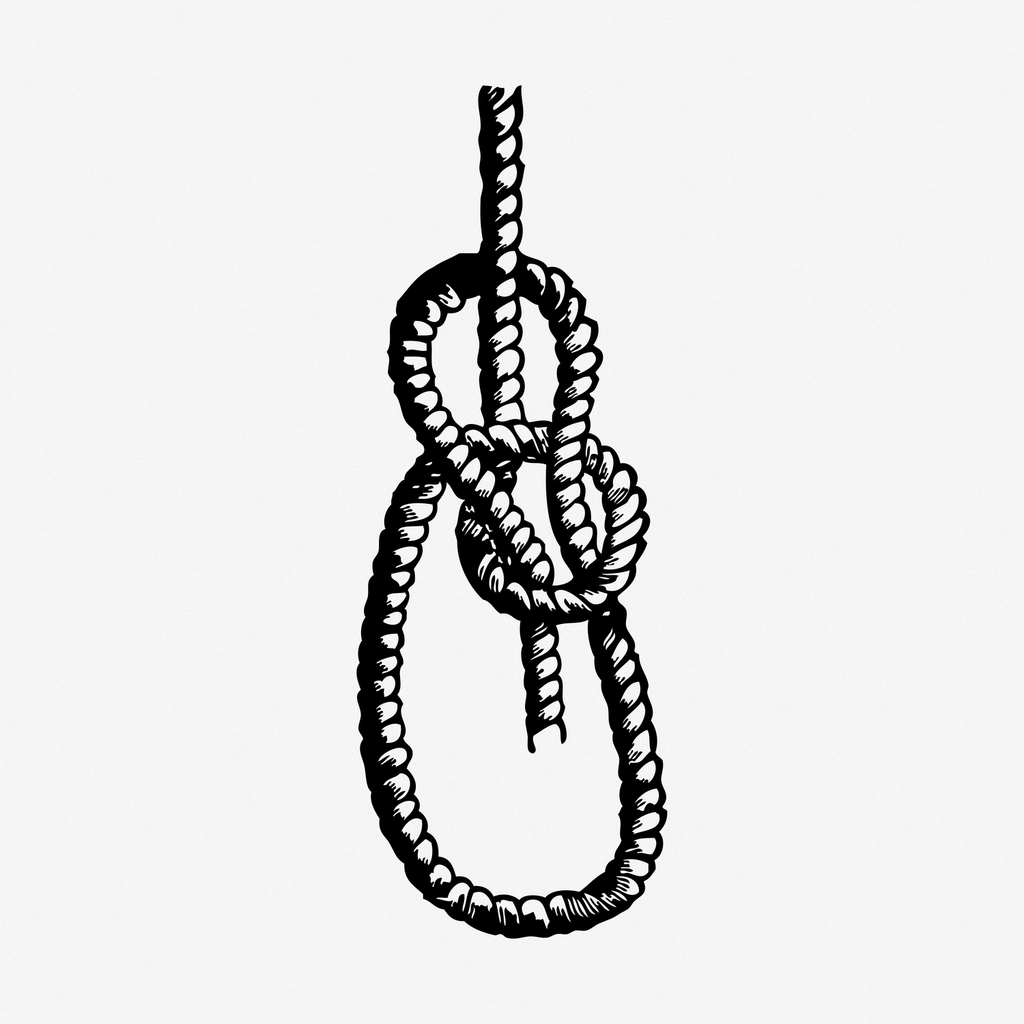
First, the working knots. Bowline, clove hitch, round turn and two half-hitches, figure-eight stopper, sheet bend, rolling hitch, trucker's hitch. He requires fluency in all seven before he moves on.
Second, the basic seizings. A flat seizing for binding two ropes parallel, a round seizing for binding one rope to itself, a racking seizing for heavier loads. These are not knots but constructions, executed with smaller line wrapped tightly around the main rope.
Third, whipping. The American whipping, the West Country whipping, the sailmaker's whipping. The purpose is to prevent the end of a rope from unlaying. A correctly whipped end will last for years.
Fourth, the three-strand splices. Eye splice, short splice, long splice, back splice. Krishnan still uses three-strand polyester for the working lines on his repaired country boats because his clients prefer the look.
Fifth, the hollow-braid splices. Brummel locked splice, tapered bury, soft eye, hard eye over a thimble. He uses these on the few modern yachts that come to him for refits.
Sixth, the coiling and hanking and stowage of rope. Krishnan watched Iyer's first attempt at coiling a fifteen-metre dockline and quietly shook his head. The rope, he said, has a memory. You coil with the lay, not against it.
Seventh, what he calls reading the rope. The ability to look at a piece of cordage and tell its material, its rough age, its condition, and its appropriate use.
He held up a length of pale grey rope from a bench drawer. Polyester, he said. Eight or nine years old. UV-faded on one side. He pointed at a thinning section near the middle. Internal abrasion, probably ran over a sharp lead at the masthead. Not safe for anything overhead. Acceptable for a fender line.
The whole curriculum, he told her, can be taught in a long weekend, but it takes ten years to become quick at it.
Iyer, by Sunday afternoon, could tie all seven working knots, complete a sailmaker's whipping in eight minutes, and execute a rough three-strand eye splice in pre-stretched polyester. The splice was crooked. Krishnan said it would hold and that the next one would be better.
She asked him whether the everyday boater, the weekend sailor on a fibreglass production sloop with a synthetic running rigging, actually needs any of this.
He said yes. The everyday boater, in his view, is the person most exposed to a failure of basic ropework. The professional sailor has tools and time. The weekend boater has neither, and so requires preparation.
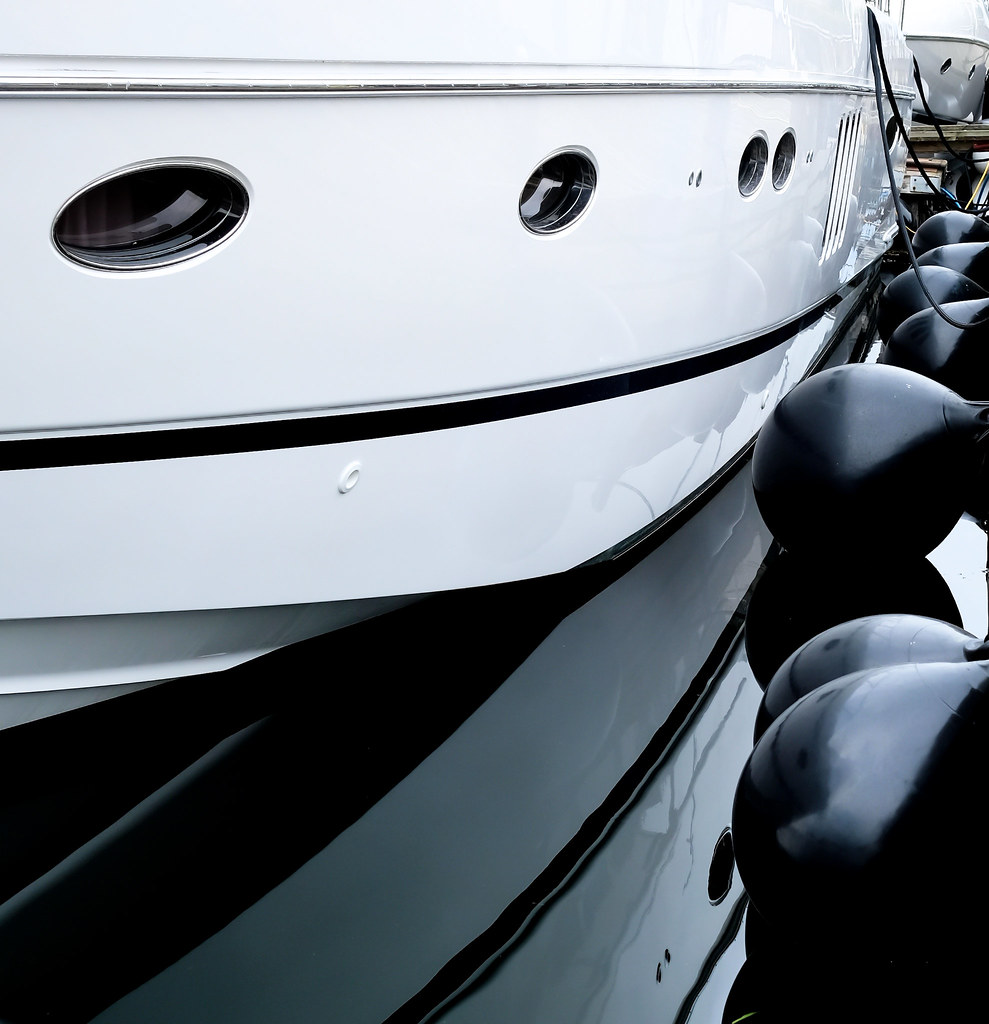
Most marine emergencies, he said, begin with a small failure of a small line. A loose fender that scratches a hull. A dockline that parts on a winter blow. A loose halyard that beats against a mast until something breaks.
Marlinspike seamanship, in his view, is not nostalgia. It is preventive maintenance.
Iyer left Cochin Harbour at five that Sunday with sore palms, a length of waxed twine in her bag, and the conviction that she would buy a fid for her own apartment.
She did not yet own a boat. She thought she might learn the splices anyway, in the order Krishnan taught them, on the floor of her flat in Cochin, with the rope from a small inheritance of cordage he gave her at the door.
Filed under