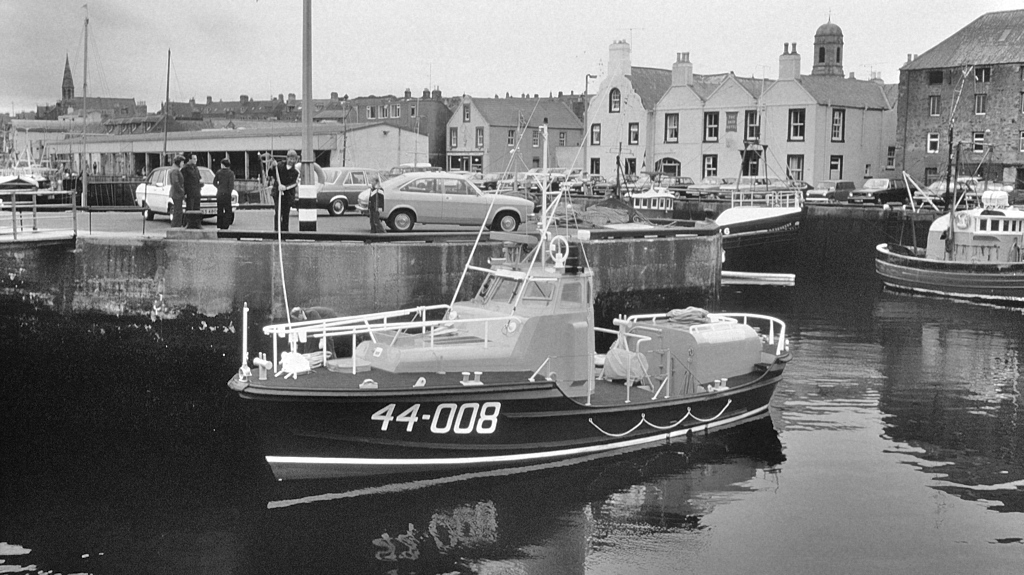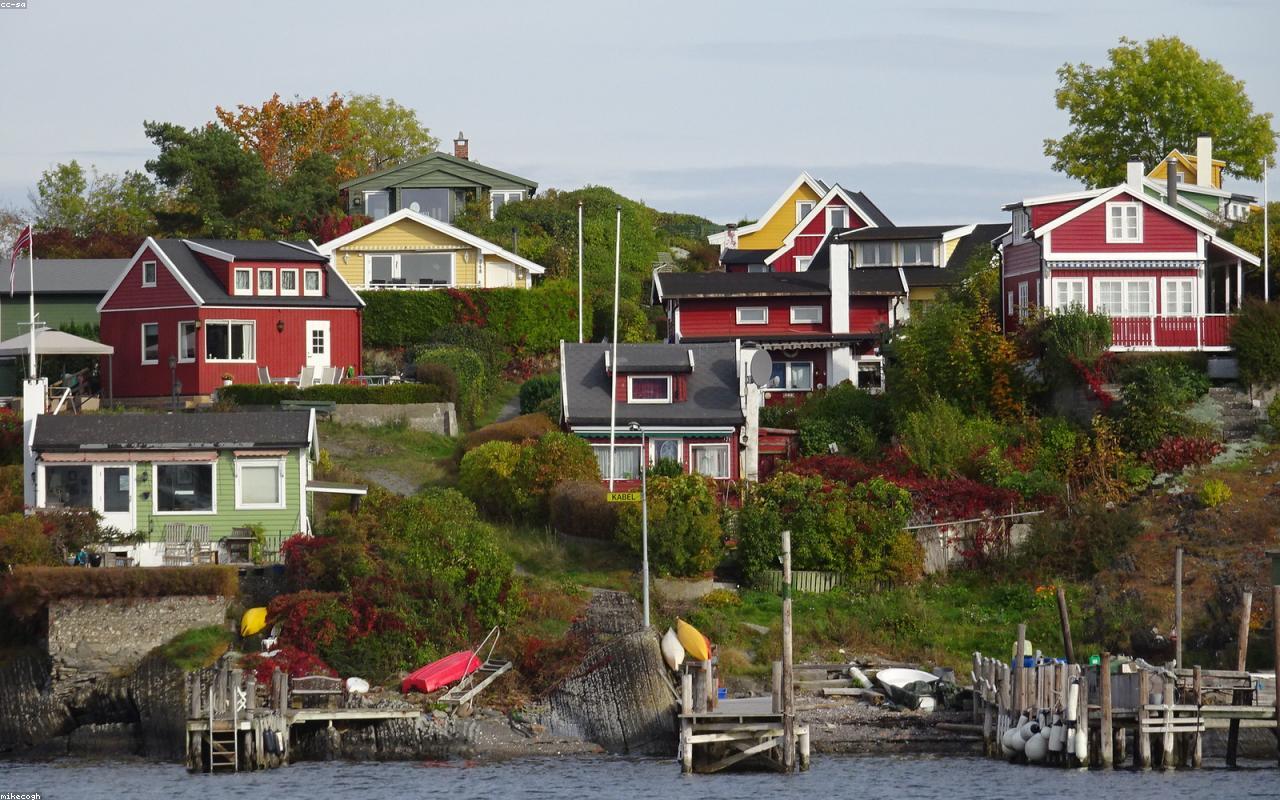
On the seventeenth of March, the MV Loch Frisa returned to service on the Oban-to-Craignure route after a five-week refit at Cammell Laird in Birkenhead. On Mull, the news was received with the particular mixture of relief and resignation that Hebridean island life produces in March.
Tobermory, the largest settlement on the Isle of Mull, sits on the island's northeast corner. Its population is about 1,000, doubling in the summer months and falling slightly below that in deep winter. The Craignure ferry, twenty-one miles south of Tobermory by the single-track A848, is the principal lifeline to the mainland.
The Loch Frisa, a 2007-built CalMac vessel, normally operates seven return crossings a day between Oban and Craignure, carrying about 60 cars and 250 passengers per trip. During its February-to-March refit, the service was reduced to a smaller relief vessel running four return crossings, with priority given to commercial vehicles and to passengers with medical or essential travel needs.
For five weeks, in other words, the island was on a slower clock.
The effect on Tobermory varied by trade. The town's working economy in March depends on a mix of public-sector employment (the school, the small hospital, the Mull and Iona Community Trust), the year-round hospitality trade, and a number of small artisanal businesses, including the Tobermory Distillery on Ledaig and the Tobermory Chocolate shop on Main Street.
At the chocolate shop, the owner Aileen MacGregor said the ferry pause was felt mostly in the mail-order trade. The shop ships about 400 packages a week through the Royal Mail in March, mostly to mainland UK addresses. During the pause, the courier collection from Tobermory was reduced from daily to three times a week.
"We caught up," MacGregor said. "It was not a crisis. It was an inconvenience. We delayed the dispatch of perhaps fifty packages by a day or two. We did not lose customers. We did lose some sleep."
At the Mishnish Hotel on Main Street, the painted yellow building near the harbour, the bar trade in February and early March was lighter than usual. The hotel's manager, Davie Galbraith, attributed this less to the ferry pause and more to the general slowness of the season.
"The day-trippers from Oban are our February-March bread," Galbraith said. "With four sailings instead of seven, fewer people came over. We were down maybe thirty percent on lunches. The evening trade was steady because that's mostly locals."
The MacBrayne service to Mull has been operating in some form since 1851. The current operator, Caledonian MacBrayne, has held the route since the 1973 merger of the Caledonian Steam Packet Company and David MacBrayne Ltd. The Oban-Craignure crossing, at 47 minutes in good weather, is one of the shorter major-route crossings in the CalMac network.
Refit periods for CalMac vessels are scheduled in the shoulder seasons and have been a feature of the service for as long as anyone in Tobermory can remember. The 2026 refit of the Loch Frisa was planned in 2024 and announced to the islands in May 2025. The work covered hull maintenance, engine overhaul, and the replacement of the bow visor seals.
At the harbour office, the harbourmaster Innes Drummond keeps a logbook of vessel movements that runs back to 1972. The February 2026 page recorded the visits of seven CalMac vessels (the relief ship and one additional cover vessel for one weekend), three private yachts, the weekly creel boat Catriona, and the monthly delivery of fuel oil to the distillery.
Drummond, who has held the harbourmaster post since 2014, said the refit weeks had been unusually quiet on the water but unusually busy in the office. "Every essential traveller wants a guarantee," he said. "There are no guarantees on a relief vessel in a March southwesterly. I spent more time on the phone in February than I do in July."
The Tobermory Distillery, on the south side of the harbour at Ledaig, has been producing single malt under various names since 1798. Its current ownership, Distell International, has held the distillery since 2017. The distillery's working week in March was reduced by one day to accommodate the slower delivery schedule.
The distillery's visitor centre, which receives roughly 12,000 visitors a year, is closed from January through March. The closure has nothing to do with the ferry pause and is the same every year. The reopening, on the fourth of April, draws a small queue.
At the Mull and Iona Community Trust offices on Main Street, the chief executive Moira Roberton was reviewing the trust's response to the ferry pause. The trust runs the island's community-owned ferry to the small island of Ulva, and operates a transport service for elderly islanders attending hospital appointments in Oban.
"We helped coordinate fourteen medical trips during the pause," Roberton said. "The relief vessel was good about prioritising. The CalMac shore staff were good. We did what we always do, which is fill the gaps that the published timetable does not."
On the harbour itself, the working March rhythm continued. The creel boat Catriona landed lobsters on Tuesday mornings to a small queue of restaurants and the lone fishmonger, MacKenzie's, on Ledaig Road. The wildlife-watching boats, dormant since November, began their refits in the small boatyard at the head of the bay.
The local newspaper of record, Round and About Mull and Iona, ran a brief article in its March issue titled "The Frisa Returns." The article was 240 words long and consisted mostly of the published return-to-service date and a quote from a CalMac spokesperson. The newspaper's editor, Catherine Lawson, said she had considered a longer piece and then decided against it.
"On Mull, the ferry coming back is news," Lawson said. "The ferry being away is also news. But it's the same news. You write it once a year. The longer piece is about what it was like before the ferry, and that we'll save for the winter long-read."
On the seventeenth of March, the Loch Frisa berthed at Craignure at 09:42 on its first run, slightly behind schedule. The 60-car queue on the pier loaded in the usual time. The northbound A848 was busy with returning vans. By eleven, the trade in Tobermory was almost normal. By noon, it was hard to remember that anything had been different.