On a Monday morning in early June, the wind on Scarborough's South Bay came off the North Sea at fifteen knots and dropped to nothing by noon. On North Marine Road, three groundsmen at Scarborough Cricket Club were rolling the wicket for the third time that week, two weeks before the first Yorkshire fixture of the summer.
Scarborough has been a working seaside town for three and a half centuries, since the discovery of the Scarborough Spa waters in 1626. Its population in 2026 is about 61,000, the largest of any settlement on the Yorkshire coast. Its summer trade, principally hospitality and day-tourism, is the single largest sector of the local economy.
In the second week of June, with the school summer holidays still six weeks away, Scarborough is in its preparation phase. The promenade benches have been repainted in the council's standard dark green. The Spa Complex on the South Bay is in the final stage of its annual external repaint. The deck-chair franchise on the South Bay sands has been re-staked and is open for trade on the better days.
At Scarborough Cricket Club's North Marine Road ground, the preparation is for the Scarborough Cricket Festival, which has been held annually since 1876 and which in 2026 will run from the twenty-fourth of June through the second of July. The festival's principal fixture is a county championship match between Yorkshire and a visiting county, which in 2026 will be Surrey.
The club's groundsman, Geoffrey Sleightholme, has held the post since 2009. He is in his sixteenth Scarborough season. He came to the job from a club ground in Wakefield. He keeps a notebook of pitch records that runs back to the 1980s, inherited from his predecessor.
"You read the wicket on the day," Sleightholme said, standing at the boundary edge with a roller behind him. "You also read the season. We had a dry April. The pitch will have less in it than last year. We compensate by rolling slower and watering less."
The North Marine Road ground holds about 11,500 spectators and is, by most measures, the most picturesque first-class cricket ground in England. Its main stand, built in the 1950s, sits along the southern boundary. The pavilion, on the western side, dates from 1895 and contains a small museum of festival memorabilia.
In the week before the festival opens, the ground is closed to the public but busy with contractors. The white-line marking on the boundary, applied with a marking machine, takes three hours. The boundary rope is laid by hand. The covers, used to protect the pitch from rain, are checked and the wheels oiled. The advertising hoardings are positioned and bolted.
At the club's office, the chief executive Maddie Coverdale was working through the membership renewal list. The club has about 1,200 members in 2026, down from a peak of 1,800 in the late 1990s but holding steady over the past decade. Coverdale, who came to the post in 2022, said the membership profile had shifted.
"We have fewer Scarborough members and more from across the wider North Yorkshire and West Yorkshire area," Coverdale said. "The Scarborough membership has aged. The visiting membership is younger and more occasional. The festival itself is what holds the whole thing together."
On the seafront, the town's other June preparations are less visible. The South Bay's lifeguard team, contracted to the RNLI, completes its annual training in the first two weeks of June and goes operational on the third Saturday of the month. The team's senior lifeguard, Hannah Lockwood, is in her seventh season at Scarborough.
"In June you train and you wait," Lockwood said. "The crowds are small. The water is cold, about eleven degrees this week. The serious work starts in July, when you have a thousand people on the South Bay sands on a Saturday and the rip currents are running."
The South Bay's rip currents, particularly those that form near the harbour breakwater at high tide, are the most consistent hazard the lifeguard team manages. The 2025 season saw 47 rescues at Scarborough's two patrolled beaches, of which 31 were on the South Bay and most of those at low or falling tide.
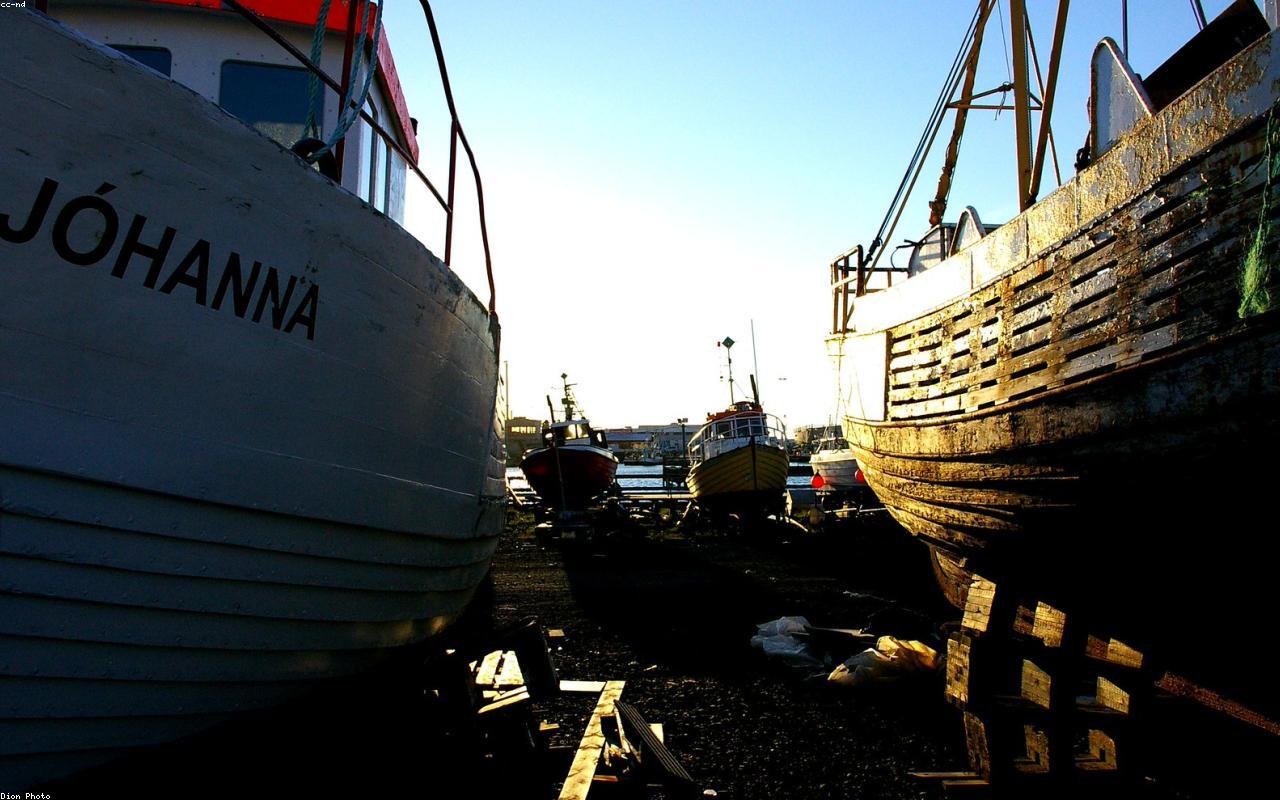
At the harbour itself, the working June trade is shaped by the day-boat fleet and the inshore creel and lobster boats. The Scarborough fleet in 2026 is about twelve creel and lobster boats and three smaller trawlers. The fish auction floor, at the inner harbour, operates four mornings a week through the season.
The harbourmaster, Joe Cuthbertson, has held the post since 2016. He keeps the harbour's working schedule on a whiteboard in his office that he updates each morning. On a Tuesday in early June the whiteboard showed three pleasure-craft arrivals expected, two yachts overnighting from Whitby to the south, and one delivery of fuel oil for the Scarborough lifeboat station.
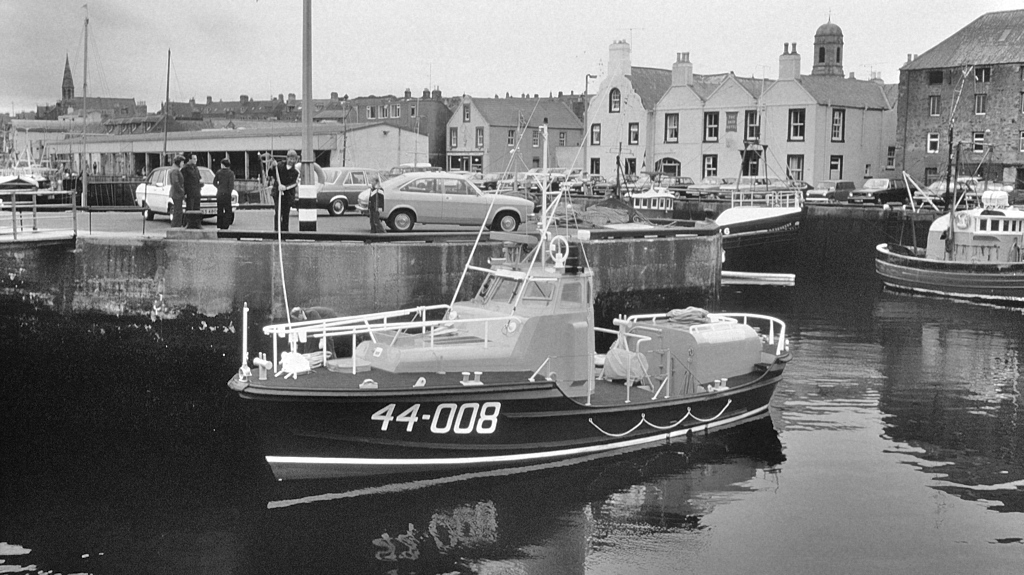
The Scarborough lifeboat, the Shannon-class Frederick William Plaxton, has been on service since 2016. Its coxswain, Lee Marton, is in his fourteenth year on the boat and his eighth as coxswain. The 2025 launch log showed 41 calls, of which six were in June. The June work, Marton said, was typically a mix of recreational craft in trouble and the occasional person in difficulty in the water.
On the seafront, the kiosks and amusement arcades were running at their pre-season rhythm. The Olympia amusements at the foot of St Nicholas Cliff had a small queue at the bingo at three in the afternoon. The Harbour Bar ice-cream parlour, on the foreshore since 1945 and run by the Alonzi family throughout that time, had served roughly three hundred ice creams by closing time on a Tuesday in early June, against perhaps two thousand on a hot Saturday in August.
Lucio Alonzi, the third generation of the family in the business, was working the till in the afternoon. He said June was the month they hired their summer staff and got them trained. The most important skill, he said, was scooping consistently, so that the cone weight stayed the same from the first customer of the day to the last.
"You make a hundred ice creams in an afternoon, every one has to be the same," Alonzi said. "That is what you learn in June. By July it is automatic. By August you do not think."
On the North Marine Road ground at five in the afternoon, Geoffrey Sleightholme had finished the day's rolling. The pitch, viewed from the pavilion steps, was the colour of pale straw and the surface looked even. Sleightholme said the work was on schedule. He said he would water lightly in the morning, roll again in the afternoon, and cover the pitch overnight if the forecast threatened rain. He said the Yorkshire match would have a wicket that played true, which was all he could promise. The rest, he said, was up to the cricket.