On the first of May the puffin scouts returned to Melrakkaey in Breidafjordur, the broad shallow bay on the north side of Iceland's Snaefellsnes peninsula. By the fifth, the main colony had landed on the island's grassy slopes, an estimated twelve thousand birds beginning the burrow-clearing work that precedes the breeding season.
For the harbour town of Stykkisholmur, ten kilometres south across the strait, the puffin return is the unofficial start of the summer working year.
Stykkisholmur sits at the eastern end of the Snaefellsnes peninsula's northern coast, two hours and forty minutes from Reykjavik by Route 54. Its population is about 1,100. Its harbour is the only deep-water harbour on Breidafjordur, and it serves as the base for the Baldur car ferry to the Westfjords, for a small inshore fishing fleet, and for the seasonal wildlife-watching boats that operate from late April through September.
On a Thursday morning in mid-May, three of the wildlife boats were at the inner pier. The Saetour fleet, owned and operated by the Asmundsson family since 1996, runs the largest of the seasonal services. Its principal vessel, the Saetour II, is a sixteen-metre catamaran that takes up to sixty passengers on a two-hour run out into the bay.
The Asmundsson family's current head of operations, Gudrun Asmundsdottir, is forty-seven and has been working the boats since she was a teenager. She said the May trade was steady but never the year's peak.
"The peak is mid-June to late July," Asmundsdottir said. "In May the puffins are here but the days are long enough that the light is the attraction as much as the birds. We get the bird people in May. The general tourists come later."
The wildlife-boat work in Breidafjordur is structured around the bay's geology and biology. The fjord is shallow, with depths rarely exceeding fifty metres, and contains, by the official count, 2,700 small islands and skerries. Most are uninhabited. A handful, including Flatey and the smaller summer settlements, sustain seasonal populations.
The bird life is the principal commercial draw. Breidafjordur supports breeding colonies of puffin, common guillemot, razorbill, black-legged kittiwake, and Arctic tern, among other species. The bay also supports a small but stable population of white-tailed eagle, the largest raptor in northern Europe, which the wildlife boats are careful not to disturb at known nest sites.
The Baldur car ferry, operated by Saeferdir, runs from Stykkisholmur to Brjanslaekur on the southern coast of the Westfjords. Its summer schedule, which starts in mid-May and runs to September, offers two return crossings a day. The crossing takes two and a half hours and is the only direct vehicle link between the Snaefellsnes peninsula and the Westfjords.
The Baldur's captain in 2026 is Sigurdur Magnusson, who has worked the route for nineteen years. He runs the bridge with a quietness that surprised the visitor. The wheel is on autopilot for most of the crossing. The radar shows the islands and skerries as a constellation of bright points.
"In May the bay can still be ice," Magnusson said. "Not full ice. Drift ice in the inner reaches. We watch for it. The route is mostly clear by the tenth of the month."
In town, the May rhythm is shaped by the arrival of the seasonal staff. The Hotel Egilsen, the Hotel Stykkisholmur, and the smaller guesthouses bring on roughly forty additional workers between the first of May and the first of June, most of them from Reykjavik, from Eastern Europe, and a smaller number from continental Europe and North America.
The arrivals stage themselves. The hotels open in waves through May. The restaurants reopen on slightly later schedules, with the Narfeyrarstofa restaurant on Adalgata typically reopening for full evening service on the eighth of May and the Plassid cafe on the harbour reopening for lunch on the first.
The Plassid's owner, Hrund Sigurdsson, has been running the cafe since 2018 in a 1908 building that was originally a fish-merchant's office. The cafe is small, seating twenty-eight, and is open for lunch and afternoon coffee through the summer season.
"We work in May to be ready for June," Sigurdsson said. "The June trade is what carries the business. May is the month we remember how to do everything we forgot in March."
The Stykkisholmur library, on Hafnargata, kept its winter schedule into mid-May before extending its hours for the summer. The librarian, Anna Helgadottir, runs a small Icelandic-language conversation group for the international staff working in the town's tourism businesses.
The group meets on Wednesday evenings and ran from January through April with five participants. In May, with the new seasonal arrivals, the group grew to eleven. Helgadottir said the May group was always the most enthusiastic and the most likely to dissolve by August, as the seasonal workers found themselves too tired in the evenings to study.
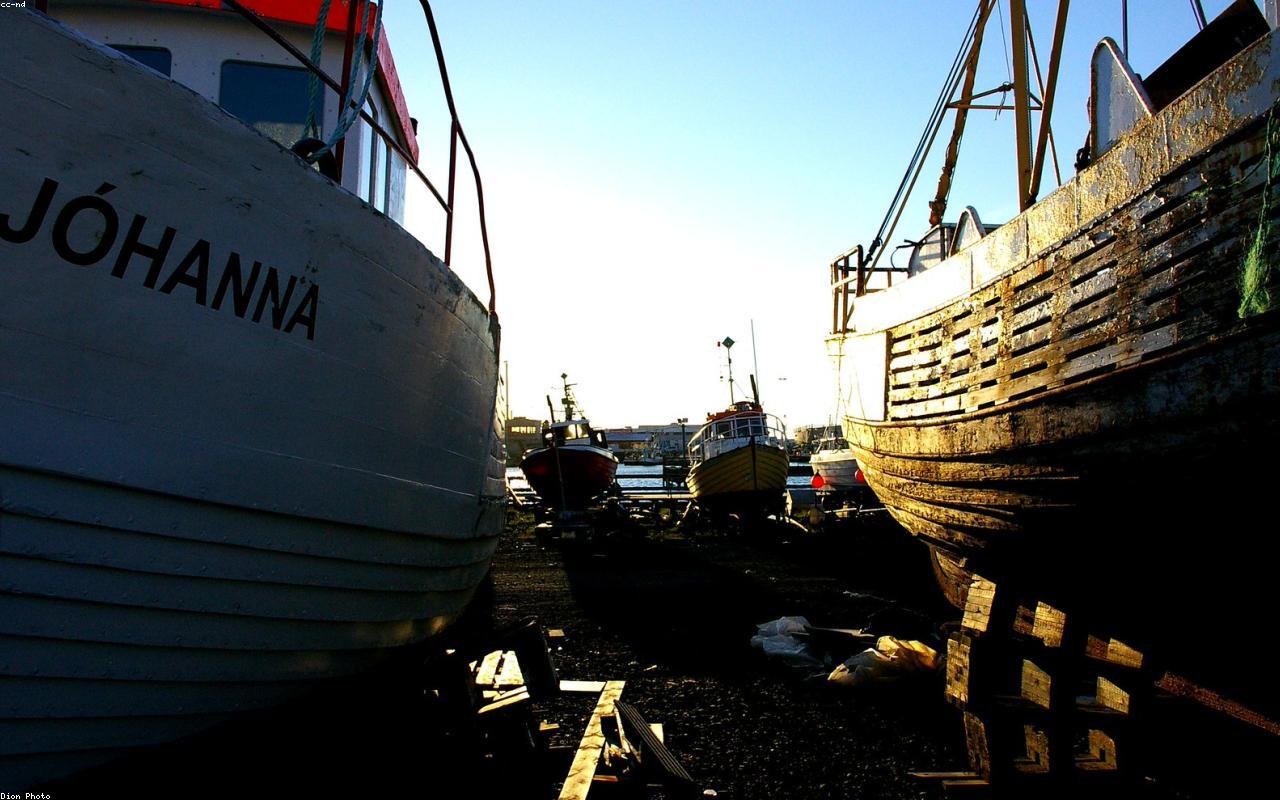
On the harbour wall, the working May trade is shaped by the fleet and by the day boats. The fleet's principal catch in May is cod and haddock, landed for the local processor and for shipment to the Reykjavik market. The day boats include a small line-caught fishery for halibut and the occasional commercial seine for capelin.
At the Saegreifinn fish shop, two blocks back from the harbour, the owner Bjorn Thorvaldsson handles the wholesale and retail trade for about a third of the town's landings. He said the May prices were predictable.
"Cod is cod," Thorvaldsson said. "The price moves with the European market. May is steady. June and July are when the prices firm up. We work the same way regardless."
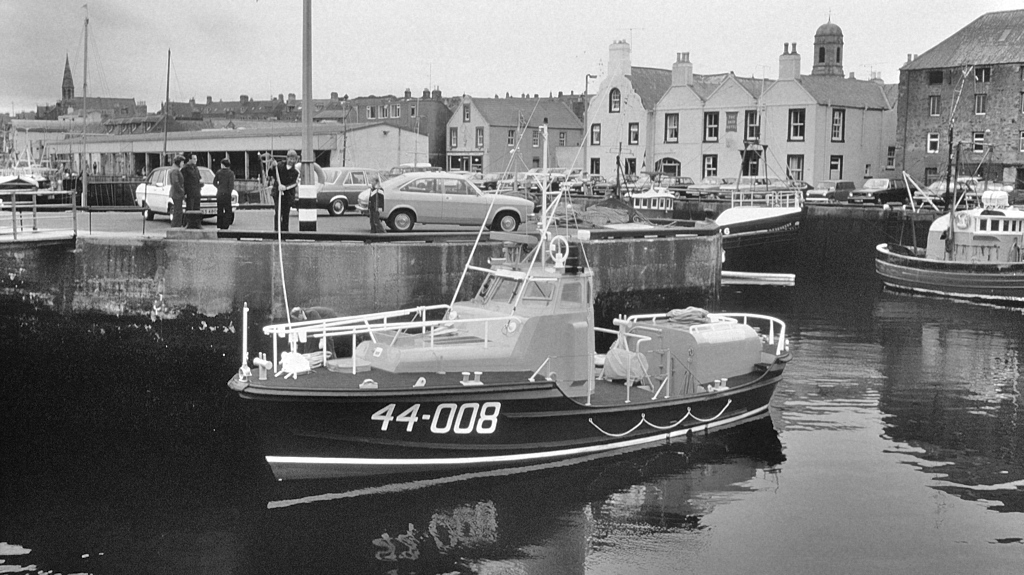
In the evening, with the sun still well above the horizon at nine, the harbour at Stykkisholmur was quiet. The wildlife boats were tied up at the inner pier. The Baldur ferry was at the outer berth, taking on a small load of vehicles for the morning crossing. The water in the bay was glassy and the light off the islands was the long northern light of May, which in Stykkisholmur lasts past midnight and which the locals describe simply as the working light. The puffins were on Melrakkaey. The summer had begun.