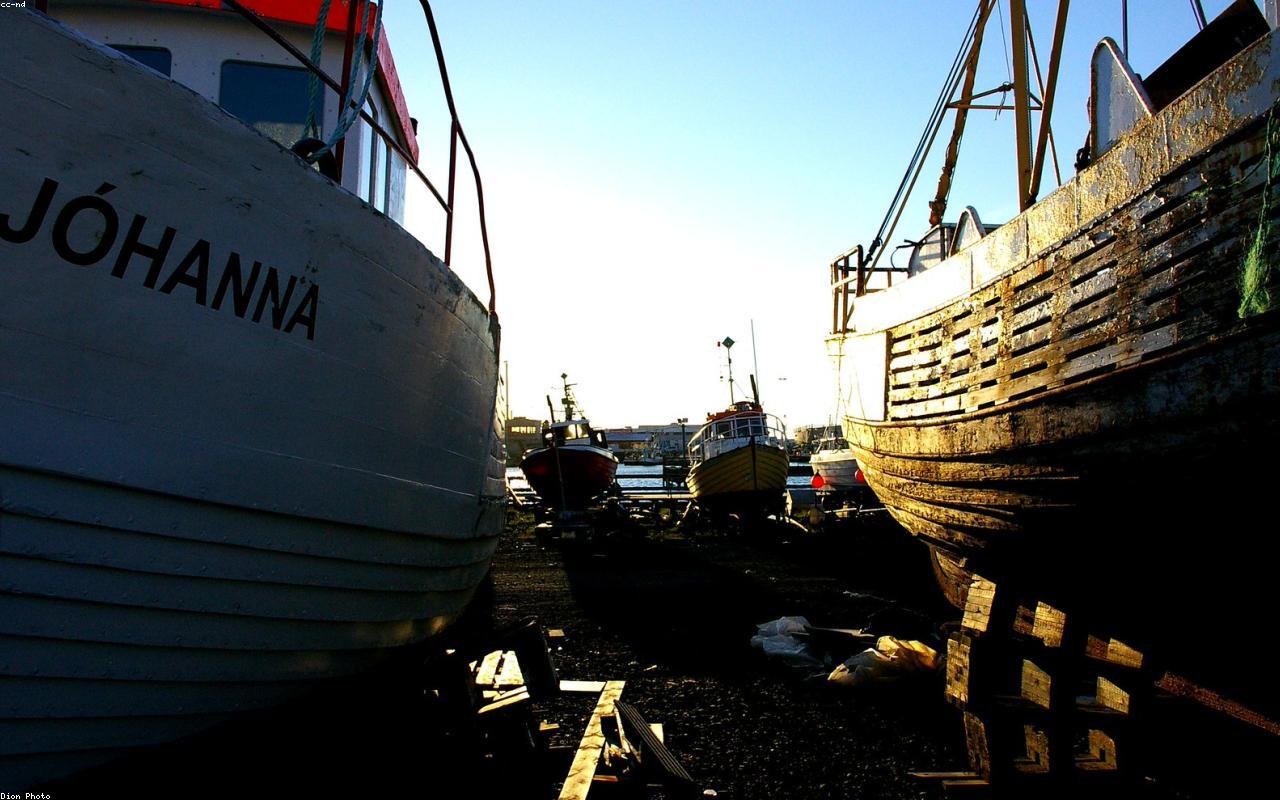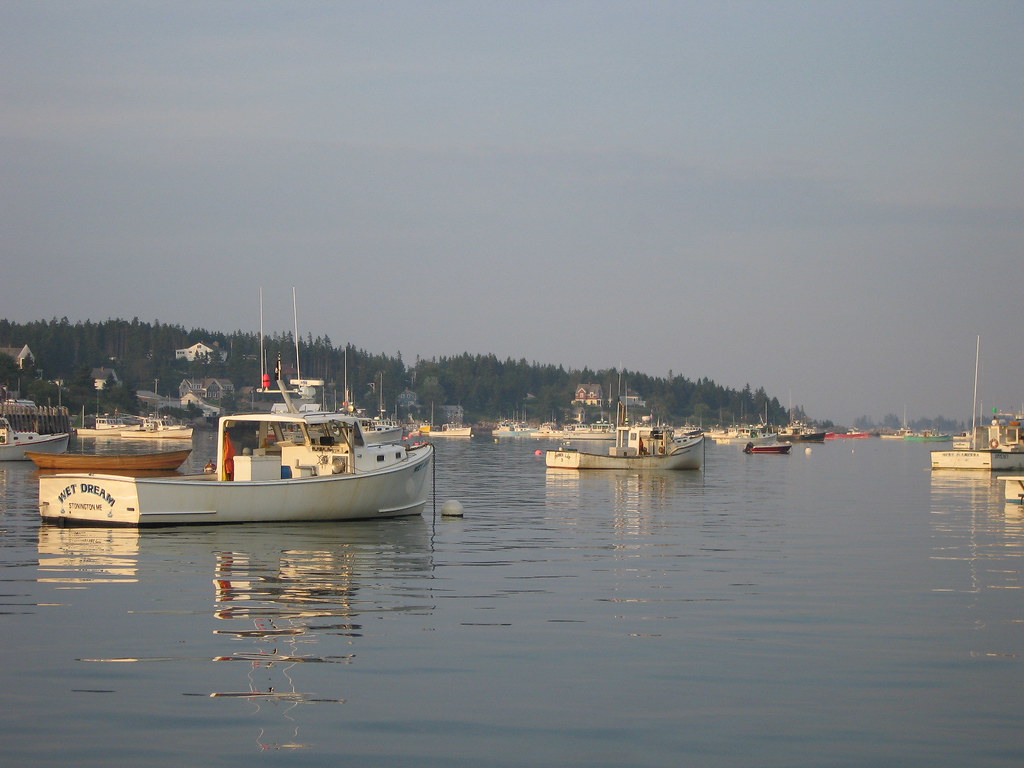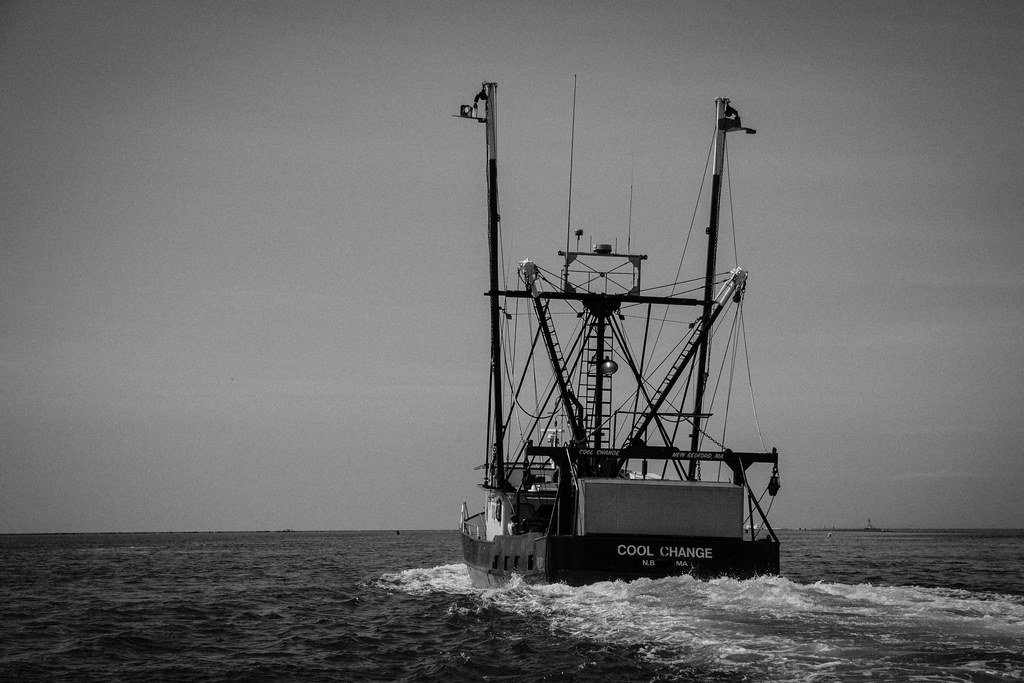
The harbour at Heimaey, the only inhabited island in the Vestmannaeyjar archipelago off Iceland's south coast, holds, on a Tuesday morning in May, eighteen working fishing vessels. Twelve of them are owned by two companies. The other six are owned by a combination of small family operations and the local cooperative.
The two companies are Ísfélag Vestmannaeyja, founded in 1901 and currently the second-largest fishing company in Iceland by quota holdings, and Vinnslustöðin, founded in 1946 and currently the fifth-largest. Between them they hold something like 11 per cent of the national cod quota and a larger share of the pelagic species.
The national cod quota for the 2025-2026 fishing year, set by the Ministry of Industries and Innovation on the advice of the Marine and Freshwater Research Institute, is 211,309 tonnes. That number is about 6 per cent below the previous year's quota and roughly in line with the long-term sustainable yield as estimated by MFRI.
Iceland's individual transferable quota system for cod was implemented in 1991, replacing a series of earlier effort-based controls that had not prevented the stock collapse of the late 1980s. The new system assigned quota shares to vessel owners based on their catch history.
The shares were tradable from the beginning, which is the part of the system that has most reshaped Icelandic coastal communities. Quota that was, in 1991, distributed across hundreds of small boats in dozens of small ports has, by 2026, consolidated into the holdings of about thirty large companies, most of them based in a small number of ports.
Vestmannaeyjar is one of the ports that has gained quota under the consolidation. The fishing community here in 2026 employs about 740 people directly and another 800 in the shoreside processing plants. The town's population is around 4,400.
The quota system has, by almost every fisheries-economics measure, worked. The cod stock has been rebuilt from a low of 540,000 tonnes in 1992 to a current spawning stock biomass of about 1.1 million tonnes. The Icelandic cod fishery is MSC-certified and has been since 2012. The fleet is profitable. The exchequer receives a resource rent payment estimated at about 9 billion krónur in 2025.
What the system has also done is concentrate ownership and depopulate small ports. Ten Icelandic fishing towns that held meaningful quota in 1991 hold less than a tenth of their former share in 2026. Most of those towns have lost population, lost schools, and lost the social infrastructure that working fisheries used to support.
Vestmannaeyjar is on the other side of that ledger. The town's largest employer is Ísfélag's processing plant on the east side of the harbour, which runs three shifts six days a week through the spring cod season and employs about 280 people, many of them on temporary contracts from Poland and Lithuania.
The plant manager is a woman named Anna Kristín Jónsdóttir, who has run the line since 2017. She is forty-nine and has worked in Vestmannaeyjar fish processing since she was sixteen. She describes the labour market in the standard terms of modern Icelandic processing: aging local workforce, dependence on EEA migrant labour, increasing automation on the heading and gutting lines.
The boat that is unloading at the company's dock on Tuesday morning is the Sigurfari VE-138, a 38-metre stern trawler that took 78 tonnes of cod, ling, and saithe on a four-day trip to grounds south of the islands. The captain, Gunnar Þórðarson, is sixty-three and has been at sea since 1979.
Þórðarson's father was the captain of the previous boat to carry the Sigurfari name, a 28-metre side trawler that fished out of the same harbour from 1962 to 1988. Þórðarson started on his father's boat at fourteen. He owns no quota. The quota is owned by Ísfélag. He earns a captain's share of the trip gross.
Whether quota concentration is a problem or a feature is the central political question of Icelandic fisheries policy and has been for thirty-five years. The current government, elected in 2024, ran in part on a platform of imposing a higher resource rent on the largest quota holders. The bill that would implement the new fee was introduced in March 2026 and is currently in committee.
The fishing companies have responded with a campaign emphasising the employment numbers, the export earnings, and the international competitiveness of an industry that, on a per-capita basis, is the largest national fisheries sector in the world. The campaign has been effective in coastal constituencies where the companies are present.
The cod itself, the animal at the centre of all of this, is in better condition than it has been in fifty years. The spawning grounds south and southwest of the Westman Islands have produced strong year classes in 2021, 2023, and 2024. The water temperature in the waters where Icelandic cod spawn has risen by about half a degree Celsius since 2000, which is not nothing, but is less than the increase seen in the Gulf of Maine.
The Icelandic stock has also benefited from a low fishing mortality rate. MFRI sets the quota to maintain fishing mortality at or below the long-term sustainable level. Compliance with the quota, monitored through dockside weighing, electronic logbook reporting, and at-sea inspections by the Coast Guard, is high.
What the quota system cannot fix is the demographic shape of small Icelandic fishing towns. The villages in the Westfjords and the Eastfjords that lost their quota are not going to get it back. Their schools will not reopen. The young people who left are not, in any meaningful number, returning.
Vestmannaeyjar has been a beneficiary of consolidation, but Vestmannaeyjar is also one storm or one bad year class away from a different position. The town's economy is, even now, almost entirely dependent on the harbour. There are no other major employers. There is no other industrial base.
Þórðarson, asked at the kitchen table of his daughter's house above the harbour on Tuesday evening what he thinks the fishery will look like in twenty years, says that he has stopped trying to answer that question. He says the fish are still here, and the boats are still going, and that he plans to fish for two more years and then to spend the winters in Tenerife.
The harbour, in the long Icelandic May twilight at 10:30 at night, is quiet but not still. The processing plant runs through the second shift. The Coast Guard cutter that patrols the southern grounds is alongside her berth. The next boat in will tie up around midnight.
Filed under