The wind came up the gut at 3:14 a.m. on April 22, and the keeper's house at Pemaquid Point held against it the way it has held against eighty-two prior April storms.
Anita Falk, the volunteer caretaker on duty that week, marked the time in a green clothbound notebook she keeps on the kitchen table. She had been awake since the second gust, which she put at 02:47.
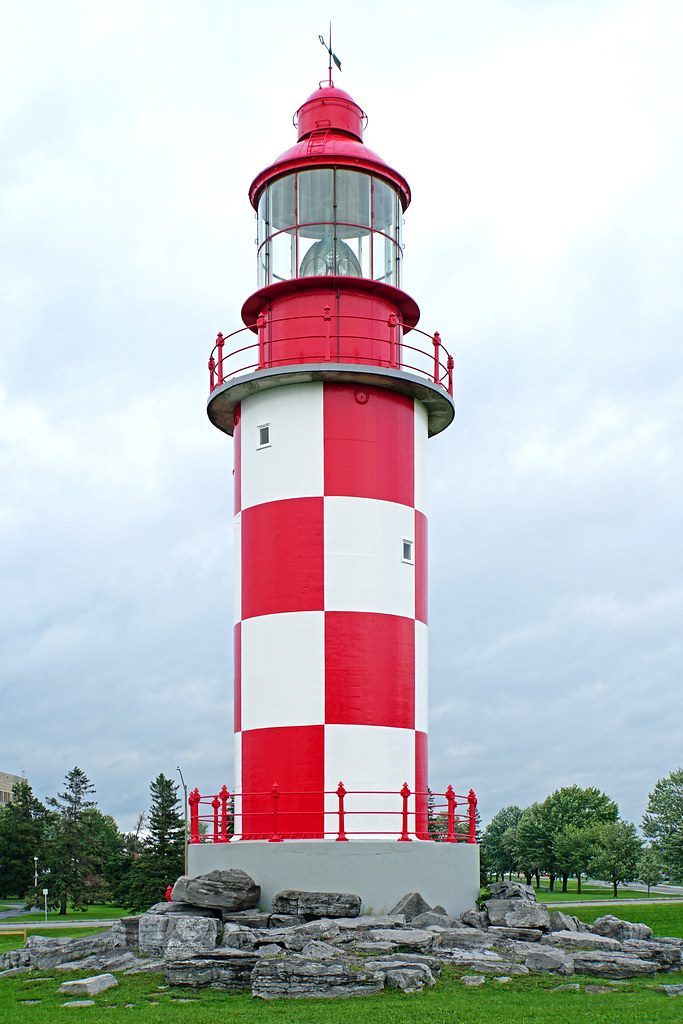
Pemaquid Point Light sits on a granite shelf at the southern tip of the Pemaquid Peninsula in Bristol, Maine. The tower itself is thirty-eight feet tall, modest by the standards of the Atlantic coast, but it stands seventy-nine feet above the mean high-water line and that is what matters in weather.
The light was first built in 1827 and rebuilt of rubble stone in 1835 after the original tower failed inspection within eight years. It has been automated since 1934. The keeper's house, attached by a covered walk, is now run as a small fishermen's museum and seasonal residence.
Falk is sixty-one. She grew up in New Harbor, three miles inland, and has been a volunteer at the light since 2014. Her job during a northeaster is not to operate the lamp, which is solid-state and Coast Guard-maintained, but to be present, to telephone if something goes wrong, and to record.
The wind, she wrote at 03:30, was steady out of the east-northeast at what the Boothbay buoy was reporting as forty-four knots, with gusts the buoy would later confirm at sixty-one.
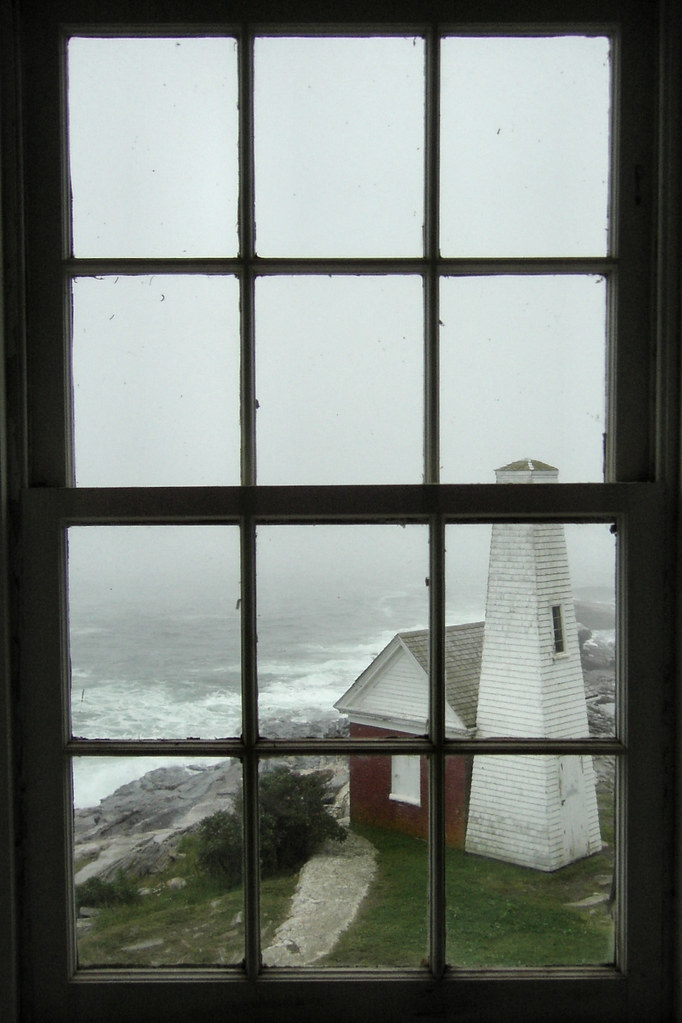
The granite at Pemaquid is some of the oldest rock in coastal Maine, folded and striated, fissile in long parallel lines. The Atlantic, finding these lines, drives water up them and out the top in white columns that, in storm, throw spray clear of the tower.
By 04:00 the spray was hitting the south-facing windows of the keeper's house with the sound of fine gravel. Falk pulled the storm shutters across the parlor windows and went back to the kitchen.
The light at Pemaquid is a fourth-order Fresnel from 1856, one of the few originals still in active service on the U.S. East Coast. It throws a fixed white beam visible fourteen nautical miles, and during the storm it kept rotating, indifferent, every six seconds.
Down in the cove, the dragger Mary Eileen rode out the night on her mooring. Her captain, Jerry Pinkham, told this magazine the following Tuesday that he had watched the light from his wheelhouse all night, not because he needed it, but because the alternative was watching the sea.
There was no fog signal sounding. Pemaquid's diaphone was retired in 1995 and never replaced, the Coast Guard having determined the radar reflectors on Monhegan and on the bell buoys east of the point were sufficient.
Falk made tea. She brought it back to the kitchen table and continued her notebook. 04:42: window in the entry vestibule rattling but holding. Power steady. Light visible from the kitchen window when the spray clears.
The keeper's house at Pemaquid was built in 1857, twenty-two years after the second tower. It is one and a half stories, gabled, clad in white-painted clapboard. It has been re-roofed eleven times by the magazine's count, most recently in 2022 with a standing-seam metal roof the color of a calm sea.
At 05:10 the wind backed slightly to the east and dropped to a steady thirty-six knots. Falk noted that the worst was likely past. The barometer in the parlor, an aneroid in a mahogany case made by Negretti and Zambra of London sometime around 1890, had bottomed out at 28.74 inches and was beginning to climb.
Dawn at Pemaquid in April comes slowly. By 05:45 the eastern sky was the color of pewter. The light continued to flash. The spray reached the front step but no further.
Falk made a second pot of tea and went out, briefly, to the lee side of the house. The air was cold and full of salt and the small organic smell of broken kelp. She stood for perhaps two minutes and went back inside.
By 07:00 the wind was twenty-two knots and the sun was up. The light, automated for ninety-two years now, switched off at civil twilight as it was designed to do.
The keeper's house came through with one cracked storm pane in the seaward dormer and a downspout pulled loose from the south gable. Falk made the entries in the maintenance log and called the Coast Guard station at Boothbay Harbor at 09:20 to confirm the lamp's status.
She told this magazine afterward that the storm was, by her count, the seventh she had ridden out at Pemaquid as the on-duty caretaker. It was not the worst. The worst, she said, was a southeasterly in November 2019 that took the back porch railing.
By Friday afternoon the cove was flat. Jerry Pinkham was hauling lobster traps east of Monhegan in a four-foot chop. The Negretti and Zambra barometer in the parlor read 30.12. The light went on at 19:43.
Pemaquid Light has been on this point for one hundred and ninety-nine years. It will be two hundred years old in July of 2027. The Bristol Parks Commission has begun, quietly, to plan a small dinner.