On the second Saturday of every month, Charlotte Auger and her brother David drive out to Long Point Light on the Lake Erie shore of Ontario to wind the clock, sweep the gallery, and take the readings.
Long Point is a thirty-two-kilometre sand spit projecting south into Lake Erie from the Norfolk County mainland. Its light, the third on the spit, has stood at the easternmost tip since 1916.
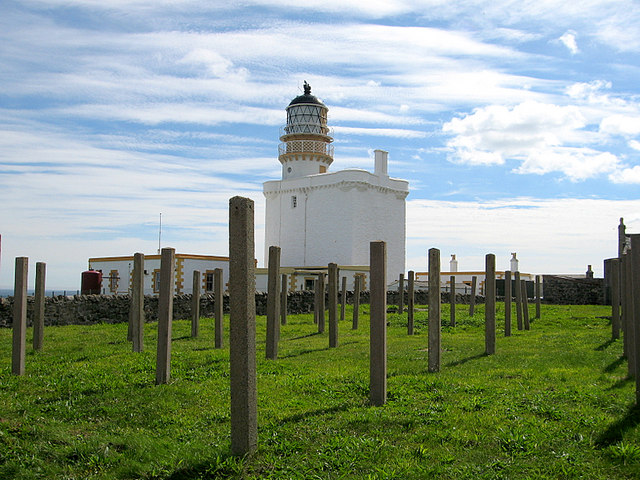
The tower is concrete, eighty-three feet tall, painted white with a single red band at the lantern level. It was decommissioned as an active aid to navigation in 1989 and transferred to the Long Point Lighthouse Preservation Society in 1994.
The society has nineteen members. Of those, four are active volunteer keepers, and of those four, the Augers are the most regular. They have made the monthly trip since 2017.
Charlotte is sixty-eight. She is a retired high school chemistry teacher from Simcoe. David is sixty-five, a retired municipal water-system engineer from Port Rowan. They learned about the volunteer programme from a notice posted at the Port Rowan library in November 2016.
Their drive out begins at Charlotte's house at 08:00. They take the Long Point Causeway to the National Wildlife Area gate, where the society holds a permit, then continue twenty-eight kilometres along the spit on a soft sand track in David's 2008 Toyota Tacoma.
The drive takes between ninety minutes and three hours depending on the sand. In May the sand is firm and the trip is short. In late August, after a dry summer, it can take half a day.
The light station consists of the tower, a former fog-signal building, a small frame caretaker's cottage, and a 1950s diesel-generator shed. None of the buildings has running water. The cottage has a wood stove and a battery-powered radio.
On the morning of the magazine's visit, May 9, 2026, the Augers arrived at 09:40. David walked the perimeter of the cottage first, checking for storm damage. There had been a strong southwesterly the previous weekend.
He found one loose shingle on the east face of the cottage roof. He noted it in a small spiral notebook he keeps in the truck's glove compartment. He would replace it in the afternoon.
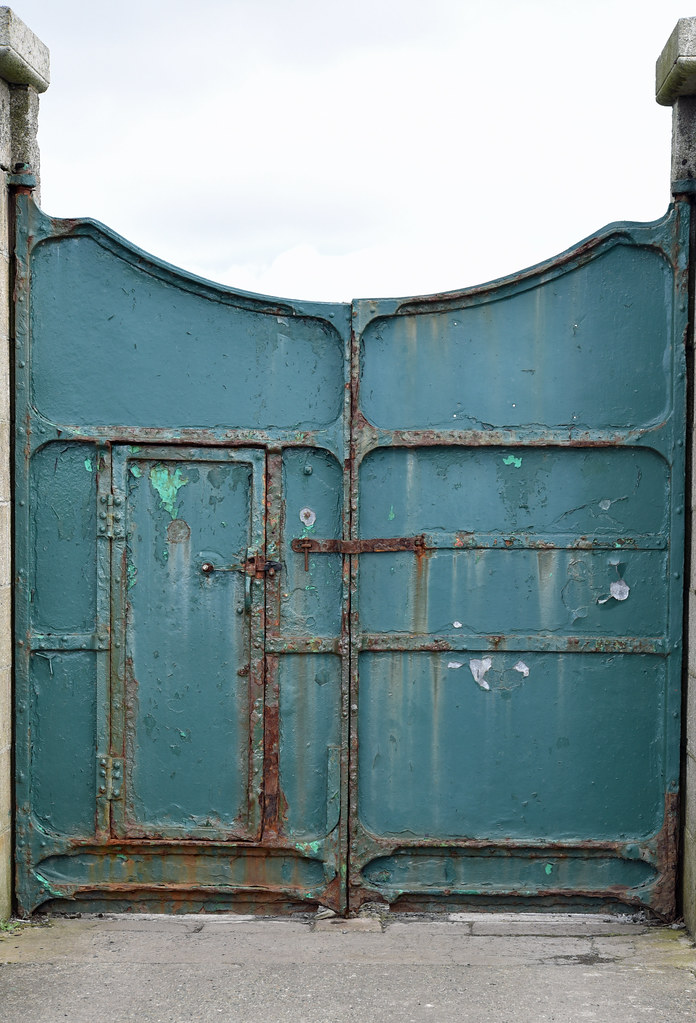
Charlotte's first task was the inside of the tower. She unlocked the iron door at the base, propped it open with a piece of driftwood, and climbed the spiral cast-iron stair to the lens room, ninety-one steps.
The lens itself is gone. It was a third-order Fresnel manufactured in 1915 and was removed in 1989 when the light was decommissioned. It is now in the collection of the Canadian Coast Guard's heritage division at Parry Sound.
The lens room at Long Point now holds a simple solar-charged LED beacon, installed by the preservation society in 2002, which marks the point as a private aid. The beacon flashes white every six seconds. It is visible at sea for roughly seven nautical miles.
Charlotte's job in the lens room is not to maintain the beacon, which is checked annually by a Coast Guard contractor, but to sweep the floor, clean the windows on their inside surface, and write the date in a leather-bound book kept on the windowsill.
The book has entries going back to 1994. There are 384 entries before her own. She has written sixty-two of them.
The cleaning takes about an hour. The windows are framed in cast bronze and number twelve, each pane roughly thirty inches square, fitted with the original 1916 glass.
When she came down at 11:00, David had begun work on the shingle. He had also swept the front porch of the cottage, brought in firewood for the next caretaker, and topped up the battery of the marine radio.
They ate lunch on the porch of the cottage: sandwiches Charlotte had made the night before, two apples, a thermos of coffee. The wind was light from the west. The lake was calm.
After lunch David finished the shingle. Charlotte walked the beach for a kilometre east of the station, picking up the small amount of plastic debris she found in the wrack line and putting it in a bag.
By 14:30 they were ready to leave. David started the truck. Charlotte locked the cottage and the tower, in that order.
On the drive back, she pointed out to the magazine that the volunteer programme has a wait list of three names, which is the longest it has had since 2018. The society is encouraged. It will need new keepers eventually.
David said only that he would keep coming as long as he could drive the truck out and back in a day. He is sixty-five. He estimates this gives him another decade. He has not asked his sister to estimate her own.
They arrived back at the causeway gate at 16:50. The light on the tip continued, on its six-second cycle, behind them.